


Open house turnout can offer useful clues about how buyers are responding to price, presentation, and timing, but the real value comes from reading the details behind the crowd. A packed afternoon, a slow showing window, or repeated questions about the same feature can all point to what the market is saying right now. When sellers and buyers know how to interpret that traffic, they can make sharper decisions instead of relying on guesswork.
Why Open House Activity Matters
An open house is more than a weekend event with sign-in sheets and fresh listing flyers. It is one of the few moments when real-time buyer behavior becomes visible all at once. People move through the home at their own pace, linger where they feel value, skip over spaces that need work, and ask questions that often reveal exactly what matters most in the current market.
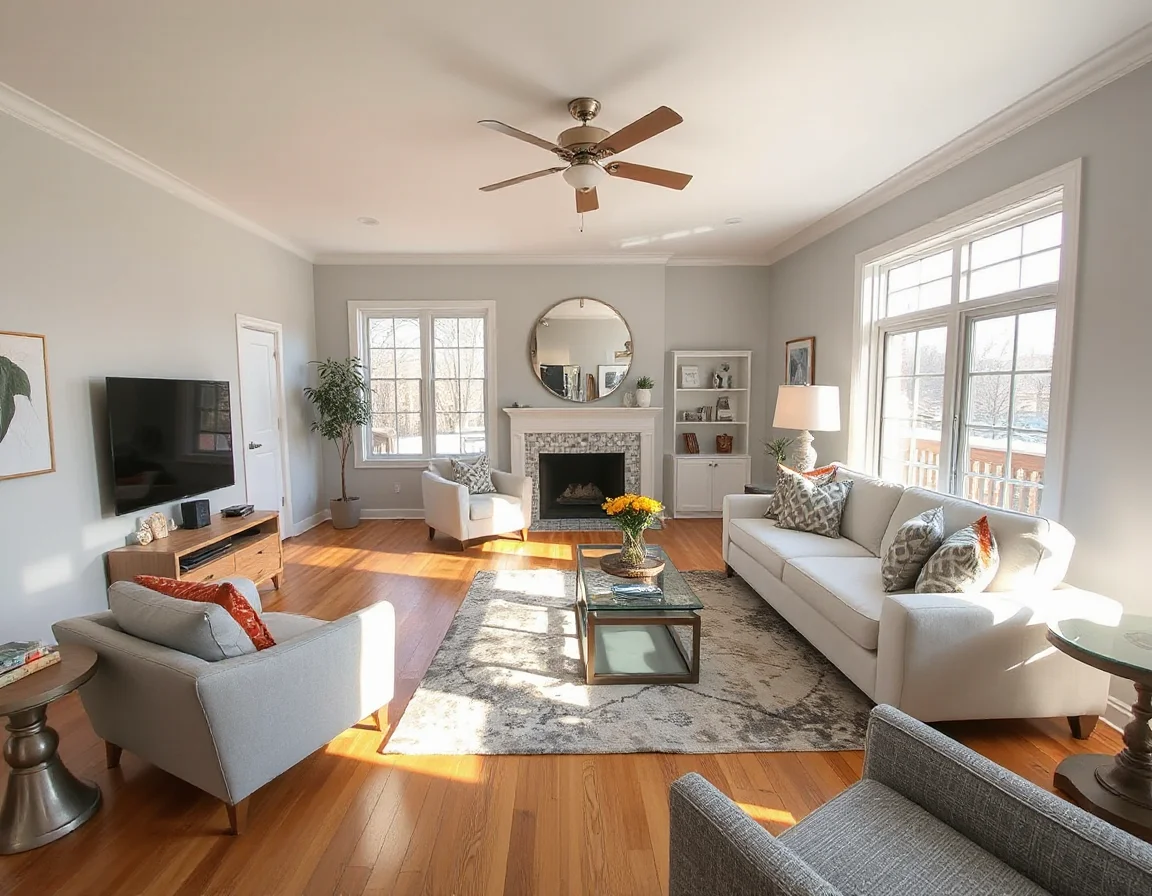
Strong traffic can signal that a listing is connecting with the market. That connection may come from competitive pricing, attractive condition, effective marketing, or limited nearby inventory. On the other hand, lighter attendance does not always mean weak demand. It may reflect weather, a holiday weekend, overlapping local events, or a listing launch that missed the best exposure window.
What matters most is not simply how many people walk through the door, but what those visitors do and say. Are they staying long enough to evaluate the layout? Are multiple guests asking whether offers are already coming in? Are they comparing the property favorably to other homes they have seen that week? Those patterns often tell a clearer story than raw attendance alone.
If a home attracts steady groups in the first one to two weekends and visitors ask detailed questions about condition, age of systems, or offer timing, that usually signals engaged demand rather than casual browsing.
For sellers, this kind of feedback helps answer an important question quickly: is the home meeting market expectations? For buyers, open house traffic can offer a useful read on competition before writing an offer. A crowded event does not automatically mean a bidding contest, but it often suggests that the property has broad appeal in its current price range.
What Heavy Traffic Can Actually Mean
A full driveway and busy entryway often create excitement, but heavy traffic should be interpreted carefully. In many cases, it means the listing photos, online presentation, and price point did their job well enough to motivate people to visit in person. That is a meaningful first step because today’s buyers typically screen homes online before deciding whether a property is worth their time.
Still, not every busy open house leads to strong offers. Sometimes the turnout is driven by curiosity, especially when a home has a distinctive style, a recently reduced price, or a location people have been watching closely. If many visitors come through but few request disclosures, ask follow-up questions, or schedule second showings, the activity may be broad but not deep.
A more useful signal is the quality of engagement inside the house. Visitors who open closet doors, inspect finishes, discuss room dimensions, and spend meaningful time in key spaces are often evaluating the home seriously. Repeated comments about value compared with nearby listings can also reveal whether the asking price feels aligned with current expectations.
Heavy traffic can also indicate pent-up demand in a specific segment of the market. For example, a home with updated systems, functional space, and a realistic price may draw consistent attention simply because there are not many comparable options available at that moment. In that case, the turnout reflects both the property itself and the shortage of alternatives.
Crowds are helpful, but patterns matter more: repeat visits, agent follow-up, and disclosure requests usually say more about likely offer strength than headcount alone.
Track current market conditions
What Light Traffic May Be Telling You
A quieter open house can feel discouraging, but it should be read in context. If online views and saves are strong while in-person traffic is light, buyers may still be interested but waiting for a second showing window or reviewing competing listings first. In some markets, serious buyers prefer private appointments over crowded public events, especially when they want time to study details without interruption.
Low turnout may also indicate friction points that deserve attention. Price is a common one, but it is not the only factor. Photos might not fully communicate the best features. Showing hours may be too narrow. The home may need improved staging, brighter lighting, or a clearer explanation of updates that buyers cannot immediately see.
Feedback becomes especially valuable here. If multiple visitors make similar comments about room flow, deferred maintenance, or comparison value, those remarks can help shape a practical next step. A small adjustment in price, presentation, or marketing message can sometimes change the next weekend’s response dramatically.
For buyers, a slower open house can create opportunity. Less competition in the room may allow more time to ask questions, evaluate the property carefully, and make a thoughtful decision without the pressure that often comes with a crowded event. The key is to separate market momentum from the atmosphere of a single afternoon.
How Sellers and Buyers Can Use the Signals
For sellers, open house traffic should be treated as one piece of a larger evidence set. Website views, showing requests, agent feedback, time on market, and nearby pending sales all help complete the picture. If attendance is strong but offers do not materialize, the issue may be terms or value perception rather than visibility. If attendance is weak and online engagement is also soft, a repositioning strategy may be worth discussing promptly.
For buyers, observing traffic can help shape offer strategy. If visitors are moving steadily through the home, discussing timelines, and comparing notes with their agents, it may be wise to prepare documents and financing details quickly. If the event is calm and the property has been available for a bit longer, there may be room for more negotiation on price, timing, or contingencies.
The best interpretation usually comes from combining objective data with experience on the ground. An agent who tracks local inventory, monitors showing activity, and listens closely to buyer feedback can help separate noise from meaningful demand. That guidance matters because every listing sits in its own competitive set, and the same turnout number can mean very different things from one weekend to the next.
In the end, open house traffic is most useful when it is translated into action. Sellers can fine-tune pricing, timing, or presentation. Buyers can gauge urgency and prepare accordingly. The event itself lasts only a few hours, but the information gathered there can shape smarter decisions long after the front door closes.