


Selling land takes a different strategy than selling a house, because buyers are evaluating possibility, access, and risk as much as raw acreage. A well-prepared parcel and a realistic price can reduce hesitation, attract stronger inquiries, and help your listing stand out in a crowded search. This guide breaks down the practical steps that make vacant land easier to understand and easier to value.
Start With the Facts Buyers Need Most
Vacant land can be exciting, but it also asks buyers to imagine more. Unlike a home, where finishes and layout are immediately visible, a parcel often raises basic questions first: Where are the boundaries? What can be built there? Is there road access? Are utilities nearby? Before pricing a property, it helps to prepare clear answers to those questions so the land feels less uncertain and more usable.
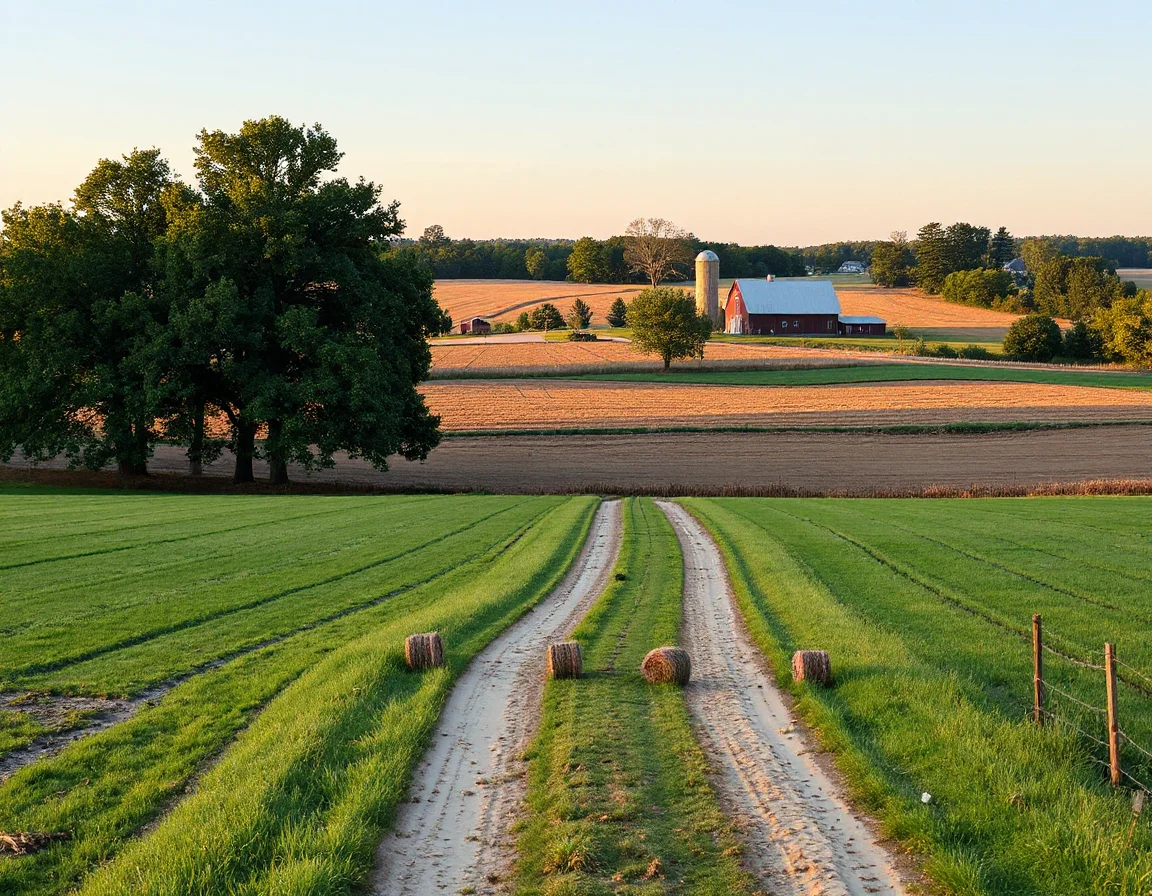
A strong first step is gathering documentation. That may include a recent survey, tax map, zoning details, deed information, septic or soil records if available, and any notes on easements, wetlands, or frontage. The more complete the package, the easier it is for a buyer to compare your parcel with others. Even when some answers are still pending, being upfront about what is known and unknown builds credibility.
Presentation matters too. Overgrown brush, hidden entry points, or old debris can make a parcel feel difficult before a buyer has even stepped onto it. Basic cleanup, a visible entrance, and marked corners where appropriate can improve the showing experience. The goal is not to overdevelop the property before sale, but to make it easier for someone to walk it, understand it, and picture its potential.
When buyers can quickly identify access, approximate boundaries, and key land-use facts, they often spend more time evaluating the opportunity and less time guessing about obstacles.
It is also worth thinking about seasonality. Land can show very differently in spring, midsummer, and late fall. Tall vegetation can hide contours, while winter conditions may make access harder to judge. If the parcel has a view, a natural clearing, or a particularly attractive approach, preparing those features ahead of photos and showings can have an outsized impact on how the property is perceived online.
Improve Access and Visibility Without Overcomplicating the Parcel
One of the biggest barriers in land sales is uncertainty about how to physically use the site. If a driveway cut already exists, clearing it and making it visibly passable can help. If there is road frontage, keeping that edge tidy and legible can make a listing feel more approachable from the start. Buyers are often trying to answer a practical question: can I get onto this land and understand it in one visit?

Small improvements often go further than expensive ones. Mowing a walking path, trimming back brush near the frontage, and removing fallen limbs or discarded materials can change the entire tone of a showing. If a parcel has notable topography, a brook, stone walls, mature trees, or a buildable clearing, those details should be visible rather than buried. Buyers are not just purchasing acreage; they are assessing how the land lives on the ground.
At the same time, avoid making assumptions that a buyer will “figure it out later.” If wetlands, slopes, or utility limitations affect usability, those points should be understood before the listing goes live. Accurate information protects pricing strategy. A parcel advertised too broadly without enough detail may generate clicks, but serious buyers usually move forward only when the facts support the story.
For many vacant parcels, the best prep work is simple: clean access, better visibility, and clearer information. Those changes can improve showing quality without adding major cost.
Photos should reflect that same clarity. Instead of relying only on aerial images, combine them with ground-level views that show frontage, interior terrain, and distinguishing features. That helps online shoppers understand scale and condition before they schedule a visit. Good listing preparation reduces friction, and less friction often means more serious conversations.
Price Land by Looking Beyond Acreage Alone
Pricing vacant land well means resisting the temptation to use only a price-per-acre shortcut. Acreage matters, but it is rarely the whole story. Two parcels with the same size can have very different values depending on zoning, shape, road frontage, utility access, topography, wetlands, views, subdivision potential, and overall usability. A narrow lot with limited build options should not be measured the same way as a similarly sized parcel with broad frontage and straightforward access.
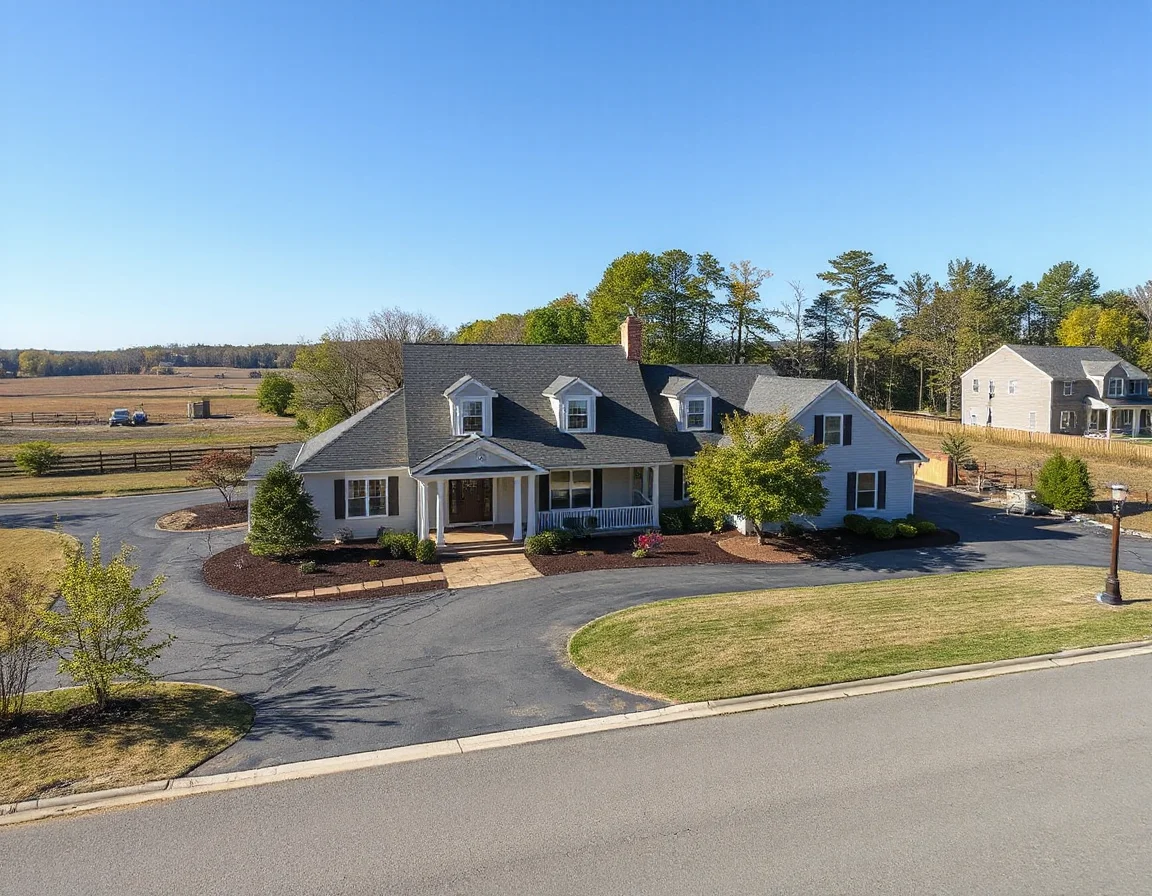
Comparable sales are still essential, but they need careful interpretation. Look for recent land sales with similar location, utility profile, and development constraints. If direct matches are limited, the adjustment process becomes even more important. For example, a parcel with engineering work already completed may justify a stronger price than one that still requires testing. Likewise, land in a highly visible corridor may be valued differently than land in a more secluded setting, depending on permitted use and buyer demand.
Sellers can also misread the market by anchoring to what they “need” from the sale instead of how buyers evaluate opportunity. If the price leaves no room for due diligence costs, site work, or market uncertainty, the parcel may linger. Stale time on market can create its own challenge, because buyers may assume there is a hidden issue even when the real problem is simply pricing.
On the other hand, underpricing can leave value behind if the parcel has strengths that are easy to document and market well. A balanced strategy pairs objective land characteristics with current local demand. The best list price usually sits where buyer interest and credible property data meet.
Get a home value conversation started
Create a Listing That Answers Questions Before They Are Asked
Once the land is prepared and the pricing strategy is set, the listing itself should do real work. Strong land marketing explains what the parcel is, what is known about it, and what steps a buyer may want to verify. That can include lot size, frontage, zoning designation, utility notes, survey status, access conditions, and any notable physical features. Clear information tends to attract better-matched inquiries and reduce time spent answering the same preliminary questions repeatedly.
Maps, parcel overlays, and concise property descriptions can help buyers orient themselves quickly. If there are nearby amenities, transportation links, recreation areas, or town services, present them as objective location facts rather than broad lifestyle promises. The listing should support decision-making, not rely on vague language. Specificity wins with land.
It also helps to think through the showing process in advance. Is there a safe place to pull over? Is permission needed to walk the site? Are conditions best after a stretch of dry weather? These details can seem minor, but they influence how smoothly a buyer experiences the property. A smooth showing often leads to a more confident next step.
In the end, preparing land for sale is really about reducing guesswork. Buyers are far more comfortable making an offer when they can see the parcel clearly, understand its limits, and trust that the asking price reflects the facts. Clean presentation, useful documentation, and thoughtful pricing do not just make a listing look better—they make it easier to act on.