


Rhode Island may be small on the map, but its coastal paths, historic village centers, and public green spaces create countless ways to experience the state outdoors. From salt-air walks beside the water to tree-lined streets and park trails, these places offer a practical, memorable starting point for getting to know the Ocean State one stop at a time.
A Small State With Plenty to Explore
Rhode Island rewards unhurried exploration. A drive that takes less than an hour can connect a waterfront overlook, a walkable village center, a historic district, and a wooded park trail. That variety is part of what makes the state so compelling: the scenery changes quickly, but the sense of place remains distinct from town to town.
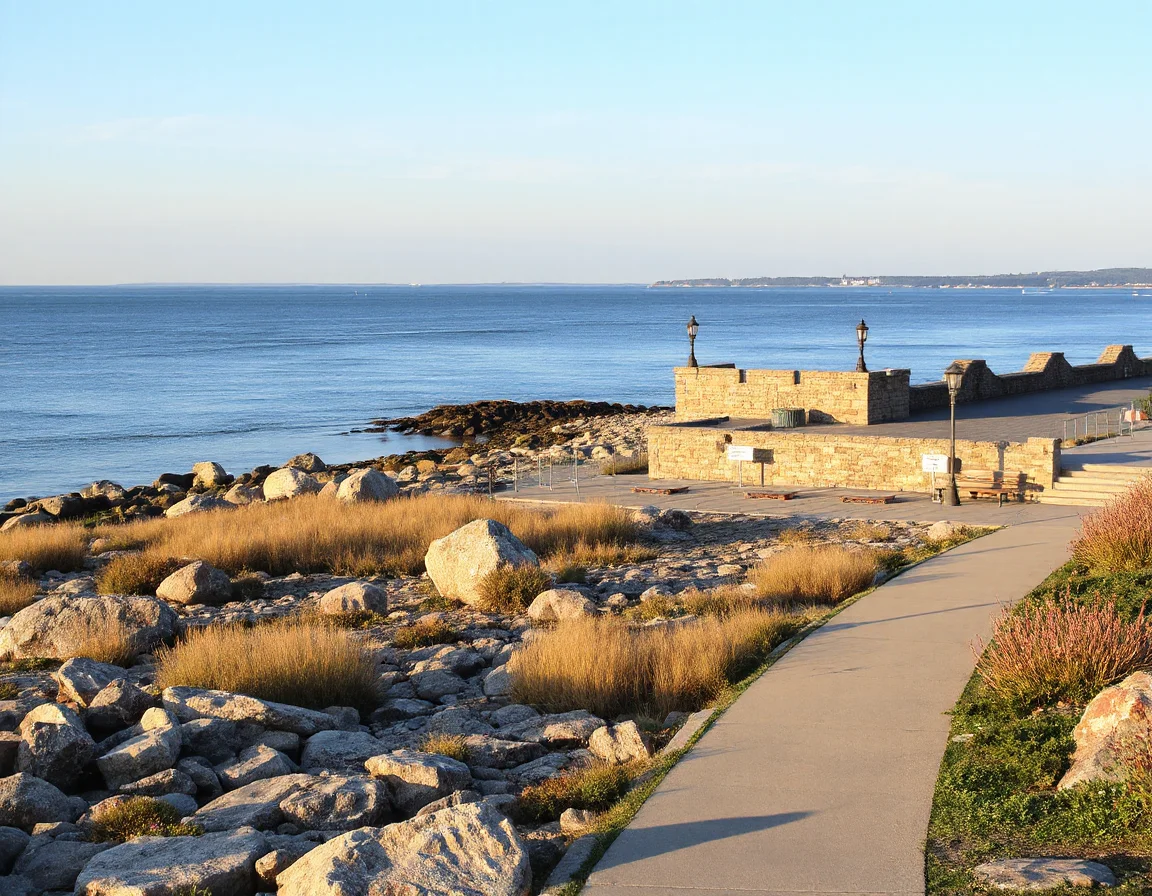
For many visitors and residents, the coastline is the natural first stop. Newport’s Cliff Walk is among the state’s best-known routes, pairing Atlantic views with the architectural backdrop of the city’s historic estates. Conditions and access can vary along the route, so comfortable footwear, a weather check, and an awareness of posted guidance can make the experience more enjoyable. Even a shorter portion of the walk delivers changing views of water, rock formations, and coastal vegetation.
Elsewhere, Narragansett, Jamestown, Bristol, and Westerly offer their own shoreline perspectives. Some routes are paved and more direct, while others include uneven terrain, stairs, or natural surfaces. The point is not to cover every mile; it is to choose a stretch that fits the day, pause at the overlooks, and notice how the light changes across Narragansett Bay and the open ocean.
Rhode Island’s coast is especially rewarding in spring and fall, when cooler temperatures can make longer walks more comfortable and the shoreline often feels less hurried.
Coastal access also brings practical real estate context. Homes near water may offer dramatic views and convenient access to outdoor amenities, but buyers should look carefully at flood-zone information, insurance considerations, drainage, maintenance needs, and local regulations. A property’s relationship to the coast can be a meaningful feature, yet the details behind that feature deserve the same careful attention as a roof, heating system, or lot boundary.
Main Streets That Invite a Longer Look
Beyond the shoreline, Rhode Island’s compact town centers provide another way to explore. Brick sidewalks, historic façades, independent galleries, public libraries, town greens, and seasonal community events give many local streets a lived-in rhythm. These areas are often easy to experience on foot, with places to pause for coffee, browse local art, or simply take in the architecture.

Bristol is a particularly appealing example, with a waterfront setting, a historic core, and a long tradition of public gatherings. Strolling through its central streets can reveal ornate doorways, mature shade trees, civic buildings, and glimpses of the harbor. In East Greenwich, a similarly walkable corridor connects dining, services, and neighborhood streets near Greenwich Bay. Wickford Village offers another distinctive setting, where historic buildings and water views create an easygoing route for an afternoon outing.
These areas are not interchangeable, and that is exactly the appeal. Newport feels more urban and tourism-oriented in many sections, while smaller village centers can feel quieter at certain times of day. Parking patterns, seasonal crowds, public transit options, and event calendars all affect the experience. Taking a few visits at different hours can help anyone moving to Rhode Island understand how a location functions beyond a single Saturday afternoon.
A nearby main street can also influence the day-to-day feel of a home search. Some buyers prioritize being close to dining, public spaces, and community events; others may prefer a more removed setting while still having those amenities within a short drive. Neither approach is better. The useful question is how often you expect to use the places around you and what kind of access best supports your routine.
Parks, Preserves, and Everyday Green Space
Rhode Island’s parks add another layer to its outdoor character. The state’s network includes broad lawns, wooded trails, ponds, playing fields, waterfront paths, and protected natural areas. These spaces are useful not only for planned weekend outings but also for the everyday reset that comes from stepping outside for a walk, a picnic, or an hour near the water.
Colt State Park in Bristol is a popular example, with open views across Narragansett Bay, paved paths, landscaped grounds, and room to move at an unhurried pace. Goddard Memorial State Park in Warwick offers wooded areas and shoreline scenery, while Lincoln Woods State Park is known for its freshwater setting and trail options. In the western part of the state, Arcadia Management Area provides a more rural landscape of forests, streams, and extensive trails.

Each park has a different practical profile. Some have convenient parking and well-maintained paved surfaces; others are better suited to trail shoes and a little advance planning. Seasonal conditions matter, too. Summer brings fuller calendars and brighter waterfront activity, while autumn offers cooler walks and changing foliage. Winter can be quieter but still beautiful, especially on clear days along the coast or near a wooded pond.
When comparing locations, map the parks and paths you would genuinely use—not just the ones that look appealing in photos. A nearby route can become part of a weekly routine.
For home buyers, access to parks and trails is one piece of a larger location picture. It can be helpful to consider travel time, parking availability, trail conditions, public access hours, and whether a favorite outdoor destination is easy to reach during the times you are most likely to go. These details turn an amenity from a map pin into something that supports everyday life.
Explore at Your Own Pace
The best way to understand Rhode Island is to build a day around a few connected stops: a shoreline walk in the morning, a village center around midday, and a park path before heading home. The distances are manageable, but the settings feel varied enough to make each outing distinct. Over time, those repeat visits reveal details that guide both lifestyle decisions and real estate choices.
Whether you are already local, considering a move, or simply planning a weekend route, Rhode Island’s coastal walks, main streets, and parks offer more than scenic backdrops. They are places to observe the rhythm of a community, learn the geography, and find the corners of the state that feel most meaningful to you.