

A roof, siding, or window project can make a Rhode Island home easier to market, but the best upgrade is not always the most expensive one. The strongest resale decisions solve visible maintenance concerns, support efficient operation, and fit the home’s architecture and price range. Start with condition, documentation, and timing before choosing materials or colors.
Start With the Work Buyers Can See
When preparing a Rhode Island property for sale, exterior condition has an outsized influence on the first impression. A buyer may not know the age of every mechanical system during an initial visit, but worn shingles, peeling trim, cracked siding, fogged window panes, or gutters pulling away from the roofline are immediately noticeable. Those details can raise questions about deferred maintenance, even when the interior is otherwise well cared for.
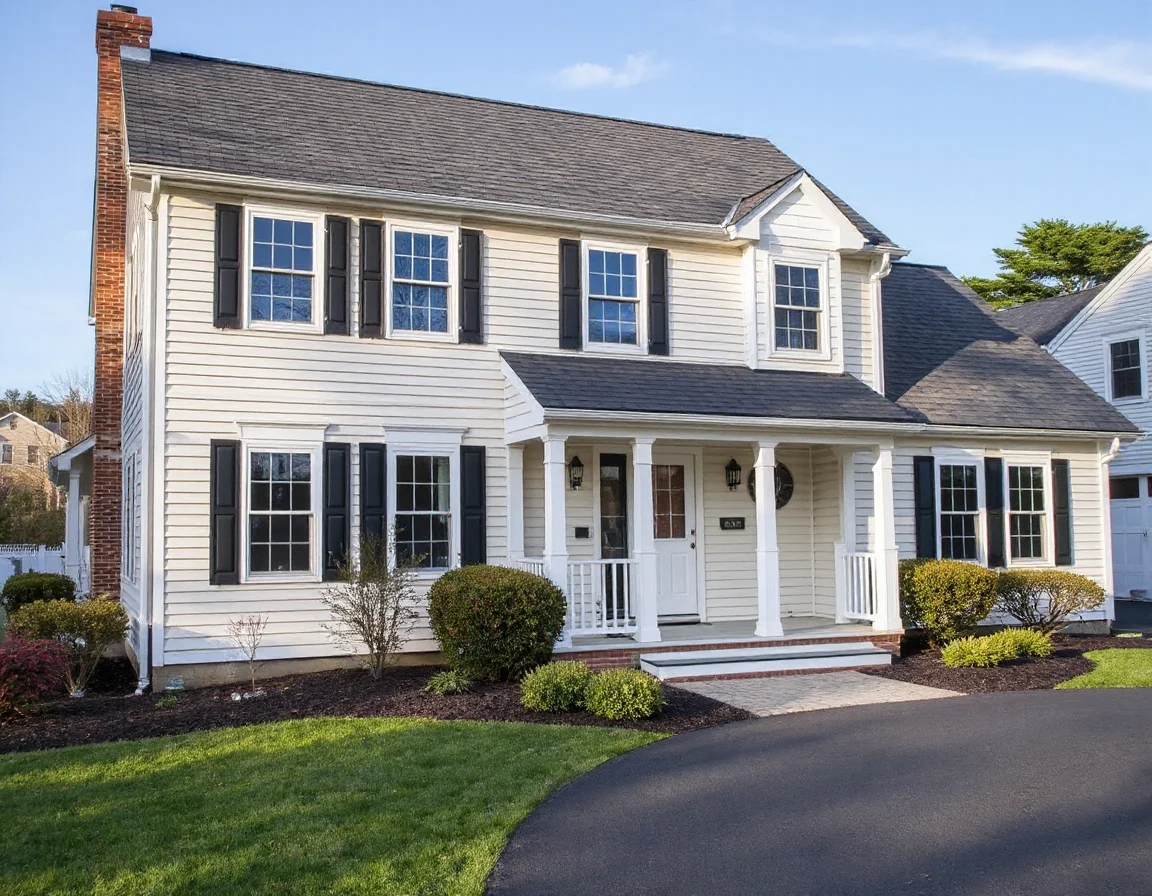
The goal is not to make every home look identical. It is to present a property that appears sound, cared for, and consistent from the curb to the closing table. In Rhode Island, homes regularly contend with wind, rain, coastal air in some locations, freeze-thaw cycles, and seasonal temperature shifts. A project that addresses water management, weather exposure, or failing materials can be especially meaningful because it helps reduce a common source of buyer uncertainty.
Before committing to a major replacement, take a practical walk around the property. Look for missing or curled shingles, staining near roof edges, siding gaps, rot around trim, damaged flashing, clogged gutters, soft spots near window surrounds, and windows that stick or show condensation between panes. A qualified contractor can help distinguish cosmetic aging from a condition that needs prompt attention. If the home is going on the market soon, this assessment also helps determine whether a repair, replacement, or transparent pricing adjustment is the sensible route.
A clean exterior story matters: when roof, siding, windows, trim, and gutters look consistently maintained, buyers can focus more easily on the home’s layout, light, and overall condition.
Keep records as you go. Paid invoices, transferable warranty information, permits where required, product specifications, color names, and before-and-after photographs can all be useful during a sale. Documentation does not guarantee a specific price outcome, but it gives prospective buyers clear information and helps an agent present recent improvements accurately.
Roof Decisions: Protection First, Presentation Second
A roof replacement is one of the most visible exterior investments a seller can make, and it often carries value because it resolves a major maintenance question. The right choice depends on the roof’s remaining service life, any evidence of leaks or damage, local exposure, and the expected timing of the sale. If a roof is nearing the end of its useful life, addressing it before listing may broaden buyer confidence and reduce the chance that the issue dominates inspection discussions.
Material selection should be appropriate for the property rather than driven by a one-size-fits-all upgrade list. Architectural asphalt shingles are common across Rhode Island and can offer a finished, durable-looking result when installed correctly. Homes with historic character, distinctive rooflines, or coastal exposure may call for a more tailored conversation with experienced local roofing professionals. Ventilation, flashing, underlayment, ice-and-water protection, and drainage details are just as important as the shingles visible from the street.
Color deserves careful thought as well. A roof usually occupies a large portion of the home’s visual profile, so a neutral tone that complements the siding, masonry, trim, and surrounding landscape generally offers broad appeal. Highly specific color combinations can be attractive when they suit the architecture, but sellers should avoid making a rushed style decision simply because a trend is popular at the moment.
Not every roof needs replacement before a sale. A limited repair may be the better answer when the roof has meaningful life remaining and the issue is isolated. The key is to avoid temporary fixes that leave visible defects or do not address the underlying source of moisture. A thorough evaluation, clear receipts, and candid property disclosures create a more dependable marketing position than a surface-level patch alone.
Explore seller preparation resources
Siding and Trim Can Reset Curb Appeal
Siding upgrades are often about more than color. Cracks, warping, loose panels, failing caulk, rot, and deteriorated trim can signal exposure to moisture or simply years of deferred upkeep. Replacing damaged sections and repainting sound surfaces may be enough in some cases. In others, a full siding project can give a property a more cohesive appearance while addressing maintenance concerns that buyers might otherwise flag.
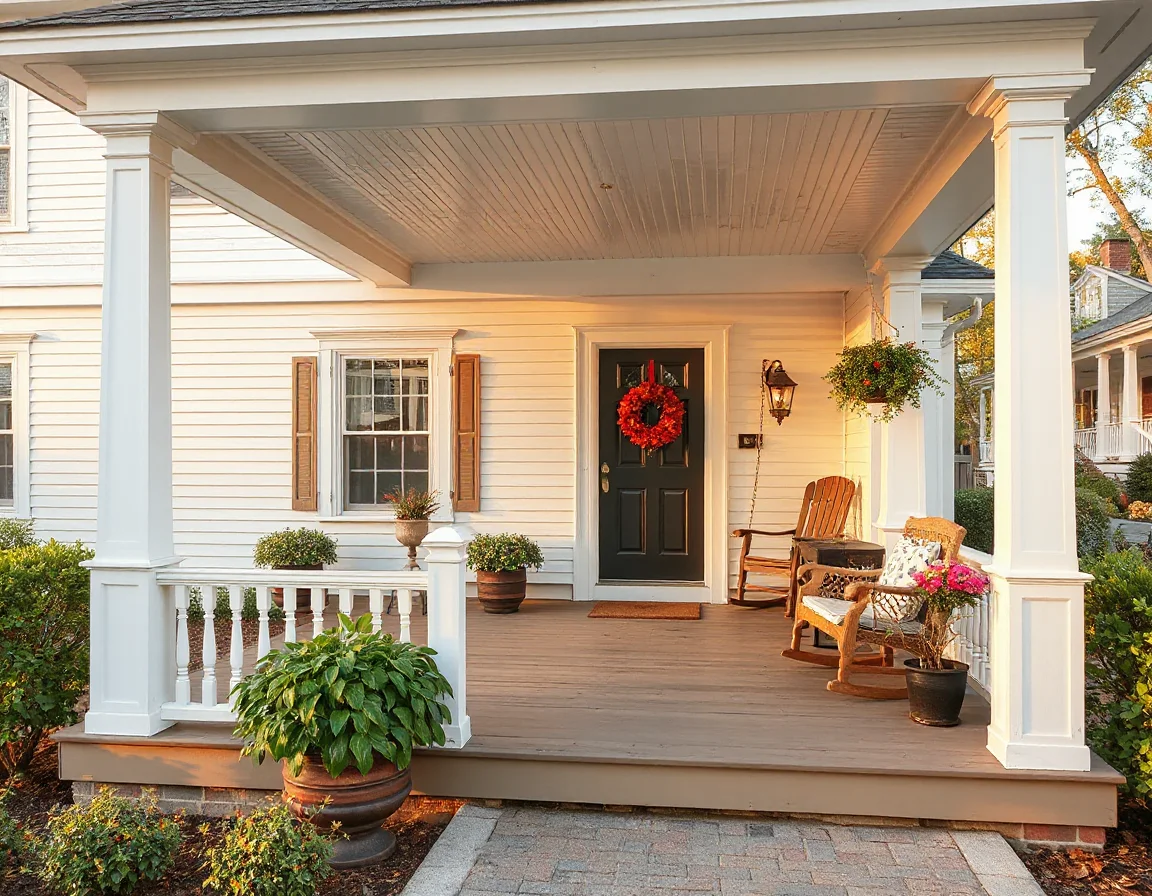
For resale, proportion and consistency usually matter more than elaborate details. Choose siding profiles, trim widths, and colors that respect the home’s design. A compact cottage, a colonial, a mid-century ranch, and a contemporary property each benefit from different exterior treatments. Neutral body colors paired with coordinated trim can help architectural features read clearly in listing photography without limiting a buyer’s ability to imagine personal touches.
Pay close attention to the transitions around doors, windows, corners, and rooflines. Fresh siding beside worn shutters, stained porch railings, or deteriorated fascia can make a project feel incomplete. This does not mean every exterior element must be replaced; it means the visible components should be evaluated together. A targeted refresh of trim, railings, exterior lighting, house numbers, and landscaping can make a repair-oriented project feel intentional.
Maintenance requirements should also be part of the decision. Buyers often appreciate products that are straightforward to care for, but quality installation remains essential. Improperly detailed siding can allow moisture behind the exterior surface, creating a far more expensive concern than a cosmetic imperfection. Ask contractors about water-resistive barriers, flashing, ventilation, manufacturer requirements, and how existing trim or window openings will be handled.
Window Upgrades Should Balance Comfort and Context
Windows affect a home’s appearance from both inside and outside. They can influence natural light, drafts, operating ease, outside noise, and the look of a façade. Windows with broken seals, visibly damaged frames, rotted sills, or difficult operation may be worth addressing before a listing. In contrast, older windows that function well and suit the property’s architectural character may not require replacement simply because they are not new.
Energy performance is often part of the conversation, particularly during Rhode Island’s colder months and humid summer periods. Modern windows may offer improved glazing, weatherstripping, and frame performance, but sellers should be cautious about treating estimated utility savings as a guaranteed return. The more reliable resale message is straightforward: properly installed, well-operating windows can improve comfort, reduce visible maintenance concerns, and support a polished exterior presentation.
If replacement windows are installed before listing, save the product labels, warranty details, installation date, and contractor information so the improvement can be described accurately in marketing materials.
Window style is important. Grille patterns, divided-light designs, frame colors, and trim proportions should work with the home rather than compete with it. A replacement that looks appropriate on a newer suburban property may feel out of place on a historic Rhode Island residence. Where preservation guidelines, condominium rules, or local permitting requirements apply, confirm them before ordering materials or scheduling work.
Choose Projects With a Clear Selling Strategy
The best pre-sale exterior project is the one that solves a real condition issue, supports the property’s price range, and can be completed with enough time for cleanup, documentation, and professional photography. It is rarely necessary to pursue every possible upgrade at once. A well-scoped plan might include roof repairs, selective trim replacement, fresh paint, gutter maintenance, and window service rather than three full replacements. Another home may benefit more from a new roof and carefully chosen siding because those needs are plainly visible.
Begin with an honest condition review, request detailed proposals, and compare both scope and warranty—not only the lowest price. If selling soon, discuss the plan with a real estate professional before work begins. Local market conditions, competing inventory, and the home’s current presentation can help clarify which improvements are likely to make the strongest contribution to marketability.
A thoughtful exterior update does more than create a polished first photo. It gives buyers a clearer sense that the property has been responsibly maintained, helps prevent small concerns from becoming the center of negotiations, and allows the home’s best features to take the lead.