


A strong Rhode Island listing price is not simply the number a seller hopes to achieve or the highest sale nearby. It is a carefully supported strategy built around current competition, property condition, location details, and buyer response. Avoiding a few common pricing mistakes can help your home make a sharper first impression when attention matters most.
Why the First Price Matters So Much
The first days on the market are often the most important for a Rhode Island home sale. New listings attract attention from people actively tracking inventory, and that early activity can reveal whether the price, presentation, and marketing are aligned. When a home enters the market at a well-supported price, buyers have a clearer reason to schedule a showing and compare it seriously with other available options.
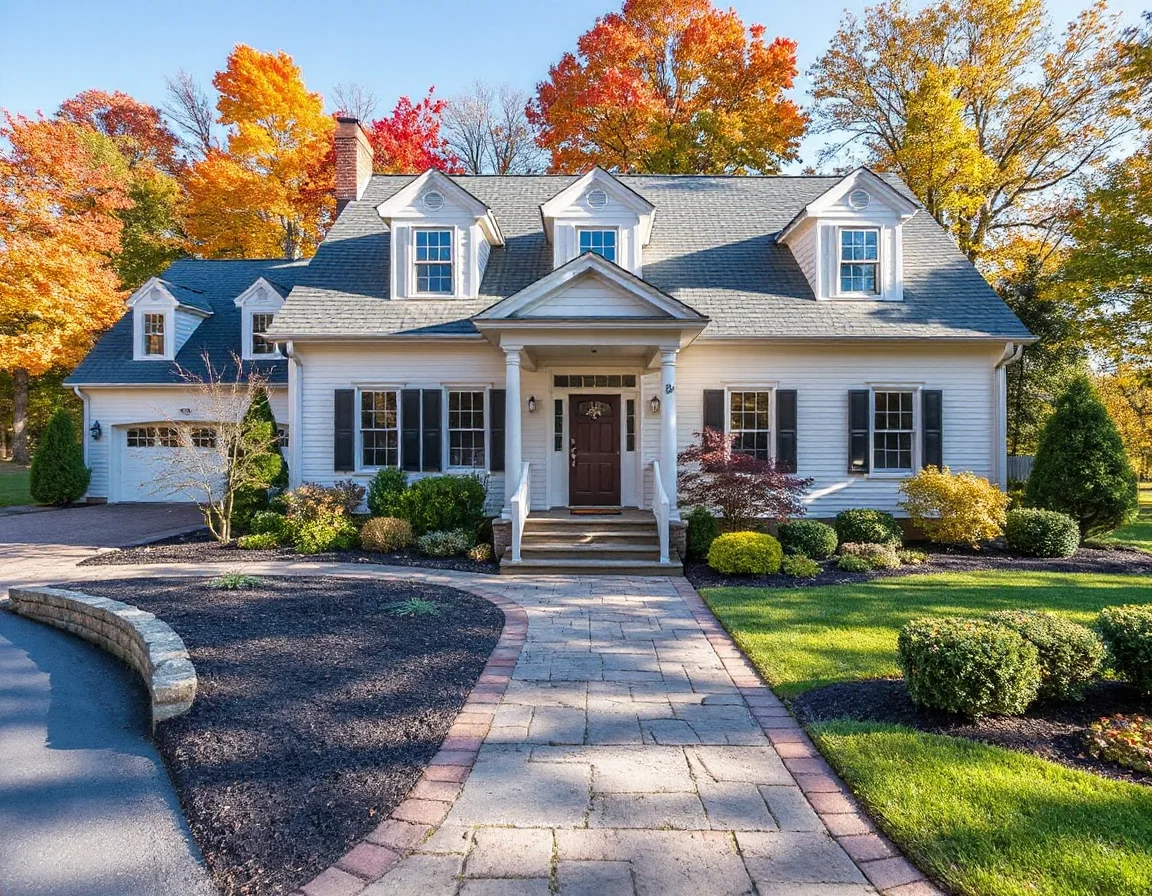
One of the most expensive mistakes is beginning with an aspirational number and planning to “test the market.” Buyers can see competing homes, recent price changes, days on market, photos, and property details quickly. If a listing feels out of step with comparable homes, it may receive fewer early showings. Later price adjustments can help, but they cannot fully recreate the momentum of a fresh listing.
That does not mean every home should be priced identically to the nearest sale. Rhode Island is a collection of distinct local markets, and even homes on nearby streets can differ in lot size, renovation level, water access, parking, layout, municipal services, taxes, and condition. A useful pricing plan looks beyond a single headline number and asks how a buyer will evaluate the entire package.
The best comparable sales are recent, nearby, and genuinely similar—not simply the highest-priced homes in the area.
It is also important to separate a home’s value from the amount invested in it. Improvements can make a property more appealing and can support a stronger market position, but not every project returns its full cost at resale. A new roof, updated systems, refined kitchen, or improved outdoor space may reduce buyer concerns and improve marketability. The listing price should still reflect what current buyers are paying for similar homes, not just what an owner spent over time.
Mistake #1: Using the Wrong Comparisons
Online estimates and nearby active listings can be useful starting points, but neither should be the final word. Automated values cannot walk through a home, assess natural light, recognize an unusually functional floor plan, or account for the difference between a finished lower level and additional above-grade living space. They also may lag behind changing conditions in a fast-moving market.
A better analysis includes homes that have recently sold, homes that are currently available, and listings that were withdrawn or expired. Sold properties help establish what buyers have actually paid. Active homes show the choices buyers can make today. Expired and withdrawn listings can offer a cautionary lesson about a price point, presentation approach, or feature set that did not connect with the market.
Be especially careful with comparisons that look similar on paper but function differently in person. A three-bedroom home with a renovated kitchen, usable storage, and an efficient layout may compete differently from another three-bedroom home with deferred maintenance or awkward room flow. Likewise, a property near the coast, a village center, a commuter route, or a recreation area should be evaluated with attention to the specific location factors that buyers will weigh.
Look at the Competition Through a Buyer’s Eyes
Before settling on a price, imagine a buyer spending one afternoon touring the available homes in the same general range. What will they notice first? Exterior condition, cleanliness, room dimensions, parking, updates, utility costs, lot usability, and photographs can all shape the comparison. Pricing is strongest when it is paired with candid preparation and a marketing plan that highlights the home’s most meaningful features.
A seller should also avoid treating a neighbor’s list price as proof of value. A list price is a strategy, not a closed result. Until a transaction closes, it does not confirm what the market was willing to pay. Reviewing the full competitive set with an experienced local professional can help turn broad market information into a price range grounded in the home’s actual position.
Find out what your home may be worth
Mistake #2: Ignoring Condition and Presentation
Price and condition are connected. A home that is clean, repaired, thoughtfully prepared, and professionally presented may compete differently from one with visible unfinished projects. Sellers do not need to undertake every possible renovation before listing, but they should identify issues that could distract from the home’s strengths or create uncertainty during showings.

Start with the practical basics: address deferred maintenance, remove excess belongings, refresh high-traffic areas, and make sure lighting and access are straightforward. Small tasks such as touching up paint, repairing a loose handrail, replacing worn hardware, or improving exterior upkeep can influence how confidently a buyer assesses the property. These steps do not manufacture value; they help the home communicate its value more clearly.
Photography is equally important because it creates the first showing. Photos should accurately show the property while emphasizing light, scale, and features that distinguish it from competing listings. If there is a renovated kitchen, a flexible work area, a porch, a garage, a landscaped yard, or a finished room, those details deserve thoughtful attention in the listing strategy.
Pricing too high while hoping presentation will overcome the gap is rarely effective. On the other hand, a well-prepared home priced in line with current evidence can make it easier for buyers to recognize its advantages. The goal is not to conceal imperfections; it is to present the property honestly, clearly, and competitively.
Mistake #3: Chasing the Market After Interest Slows
A listing that receives limited activity can create an uncomfortable decision point. Sellers may be tempted to wait because a particular buyer could still appear. Sometimes patience is appropriate, especially when the property serves a specialized segment of the market. But when showings are sparse, feedback repeats the same concern, or comparable homes are moving ahead, it is wise to reassess quickly and objectively.
A timely, meaningful adjustment is usually more effective than a series of small reductions that leave the listing trailing the market.
Review feedback for patterns rather than reacting to one comment. If visitors consistently mention the price relative to condition, location, layout, or competing homes, that information deserves attention. If the feedback is positive but offers are not materializing, the market may be signaling that the value proposition needs refinement. A price change should be supported by current competition and accompanied by refreshed marketing when appropriate.
Seasonality can matter in Rhode Island, but it should not become an excuse for a price that lacks market support. Inventory levels, buyer demand, interest rates, weather, and local events can influence timing. Even so, the fundamentals remain the same: accurate comparisons, careful preparation, broad exposure, and a price that gives buyers a compelling reason to act.
Build a Listing Strategy Before You Go Live
Before your home is listed, ask for a complete pricing conversation rather than a quick estimate. Review the comparable properties, discuss where your home is stronger or less competitive, identify preparation priorities, and set expectations for the first few weeks on market. It is also helpful to decide in advance how showing activity and buyer feedback will be evaluated after launch.
Karen Martin can help sellers approach this process with local perspective, clear communication, and a strategy tailored to the property rather than a one-size-fits-all formula. The right price is not about leaving money on the table or aiming unrealistically high. It is about positioning your home so the market can see its value, respond with confidence, and move the sale forward.