

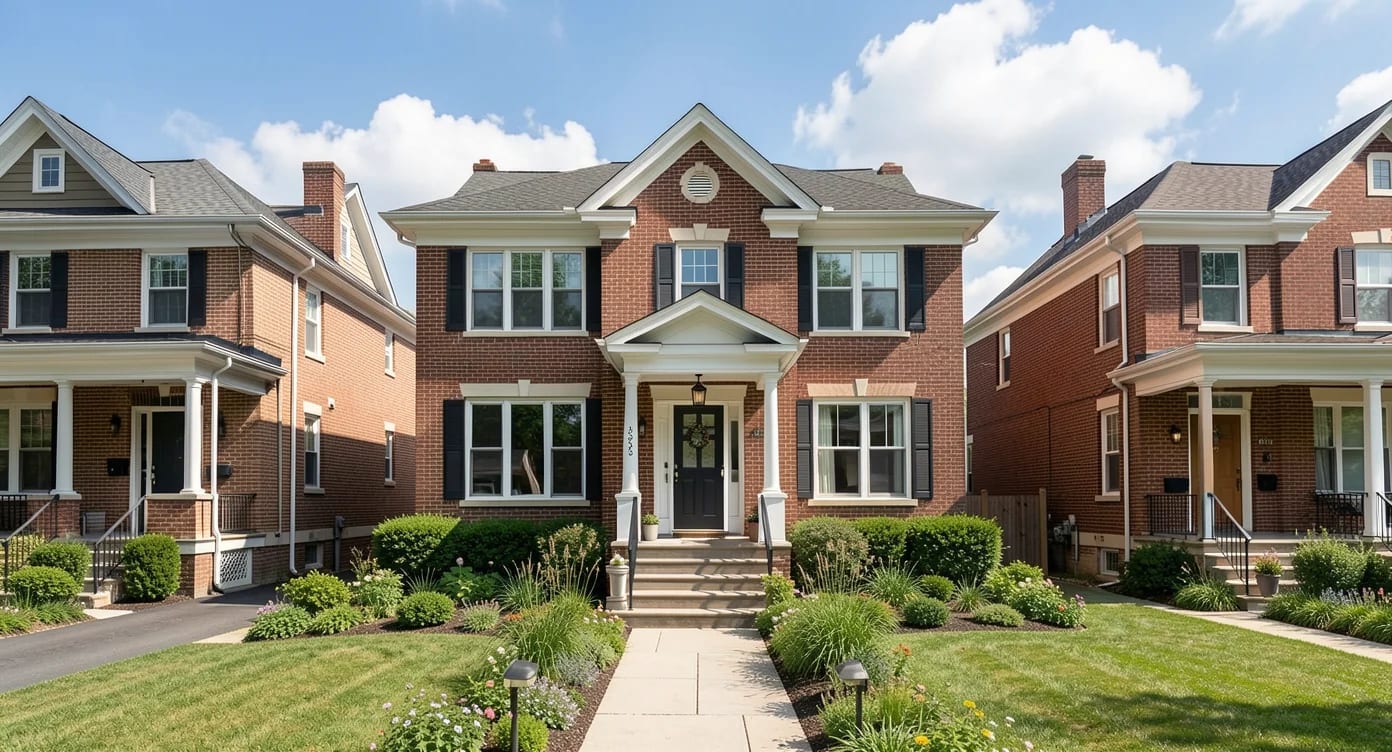
A duplex or triplex can offer multiple streams of rental income, but the asking price and advertised rent tell only part of the story. Comparing actual leases, operating costs, financing and future repairs can reveal which property has a stronger potential return—and which needs a closer look.
Start with income you can verify
A two- or three-unit property may look appealing when you multiply the advertised monthly rent by 12. Before relying on that figure, look at each unit separately. An occupied apartment’s actual rent, lease terms and payment history may differ from a listing’s estimate of what it could earn in the future.

Request current leases, a rent roll and available payment records. Check which services are included in rent and whether tenants reimburse the owner for any utilities. For a vacant unit, compare recent rentals with similar layouts, condition, parking and access to everyday amenities. Treat an estimate as a range rather than a guaranteed amount, especially if improvements are needed before the unit can be rented.
Then account for vacancies and turnover. Even a property with a strong rental history may have a gap between occupants or need cleaning and repairs before a new lease begins. A triplex spreads income across three units, while a duplex has two, but an extra unit also brings another set of systems, surfaces and management responsibilities.
Compare each unit’s documented rent with its lease terms before using projected income. A promising “market rent” is not the same as income already being collected.
If you plan to live in one unit, make a separate owner-occupied budget. Rent from the other units may help offset housing costs, but your own unit generally should not be counted as rent collected in your household cash-flow calculation. You can still estimate its market rent for comparison purposes; just label it clearly.
Build an operating budget beyond the mortgage
Two properties with similar rents can produce very different results once expenses are included. Ask for available utility bills, insurance information, tax records and maintenance history, then obtain your own estimates. A seller’s costs are useful starting points, but they may not match what you will pay after closing.
Include property taxes, insurance, water and sewer where applicable, owner-paid utilities, routine maintenance, snow removal, landscaping and any common-area costs. Add management fees if you expect to hire a manager; even if you plan to manage the property yourself, consider the time and cost of that work when comparing investments. Confirm whether utilities are separately metered and who is responsible for each bill under the leases.
Budget for larger replacements separately. A roof, heating system, plumbing, exterior paint or shared stairway can require substantial spending that does not occur every year. Setting aside a reserve can make those costs less disruptive, although the right amount depends on the building’s condition and your inspection findings.
Look closely at taxes and insurance
Verify the current assessment and ask the municipality how a purchase or future reassessment could affect the tax bill. Do not assume a seller’s exemptions or tax treatment will transfer to you. Request an insurance quote based on the property’s actual use, construction and coverage needs; if flood exposure is a concern, investigate flood insurance separately.
Use the same return measures for every property
Consistent calculations make it easier to compare a duplex with a triplex. Start with potential annual rent, subtract a vacancy allowance, and then subtract estimated operating expenses. The result is net operating income, or NOI. It generally excludes mortgage payments, income taxes, depreciation and major capital improvements.

For an illustrative example, suppose a fully rented property could generate $48,000 a year. A 5% vacancy allowance reduces that by $2,400, leaving $45,600. If annual operating expenses are $15,600, NOI is $30,000. At a $400,000 purchase price, the capitalization rate is 7.5%: NOI divided by purchase price. These figures are examples, not Rhode Island market estimates.
Next, consider financing. If annual mortgage payments in that example total $24,000, the property would have $6,000 left after those payments, before capital expenditures and income taxes. If the buyer invested $120,000 in total upfront cash, including the down payment and closing costs, that preliminary cash-on-cash return would be 5%. It would fall if additional cash were needed for repairs or reserves.
Cap rate compares operating income with price; cash-on-cash return also reflects financing and the cash invested. Neither measure guarantees a future return.
Run a second scenario with lower rent, a longer vacancy or higher expenses. If the numbers work only when every apartment is occupied and nothing needs repair, the investment may leave little room for surprises. Keep assumptions visible so you can revise them as inspections, quotes and lender terms become available.
Inspect the building and verify its use
Condition affects both the price you pay and the income you may be able to collect. During inspections, pay attention to the roof, foundation, drainage, electrical systems, heating equipment, plumbing and signs of water intrusion. For each unit, note the condition of kitchens, bathrooms, windows and flooring. Shared entrances, porches and exterior stairs deserve attention too.
Confirm the property’s legal number of units, permitted uses and any open permits or code issues with the appropriate local offices. An advertised third apartment should not be assumed to be a legally approved unit. Review applicable rental, fire and lead-safety requirements with qualified local professionals, particularly when considering an older building. Rules can change and compliance costs belong in your analysis.
Consider location without relying on assumptions
Rental comparisons should reflect features people can evaluate: access to transportation, employment centers, schools, parks, dining and daily services, as well as parking and the condition of nearby properties. Compare comparable rentals in the same general area and check current availability. Avoid assuming that a location will produce a particular rent or appreciation rate without supporting evidence.
Match the purchase to your financing and goals
Talk with a lender early about down payment requirements, interest rates, reserves and whether the loan is based on owner occupancy or investment use. Ask how rental income may be considered during qualification and what documentation is needed. An attractive NOI can look different after loan terms, closing costs and planned improvements are added.
Finally, decide what you want the property to do: provide current cash flow, help offset the cost of an owner-occupied home, or serve as a longer-term investment. A local real estate professional can help you compare listings and assemble questions for inspectors, lenders, attorneys and tax advisers. The best comparison is not simply the building with the highest advertised rent—it is the one whose income, costs and risks you understand.