


A home inspection can reveal more than a list of minor repairs: it can help you understand moisture, structural concerns, aging systems, and the potential costs ahead. For Massachusetts buyers, knowing what to investigate—and when to bring in a specialist—can make the findings easier to turn into a practical decision.
Start with the big picture
A charming exterior or freshly updated kitchen can tell you a lot about a home’s appeal, but not everything about its condition. An inspection offers a closer look at accessible components, from the roof and foundation to heating, plumbing, and electrical systems. Its purpose is not to produce a flawless report; even well-maintained homes typically have items that need attention.
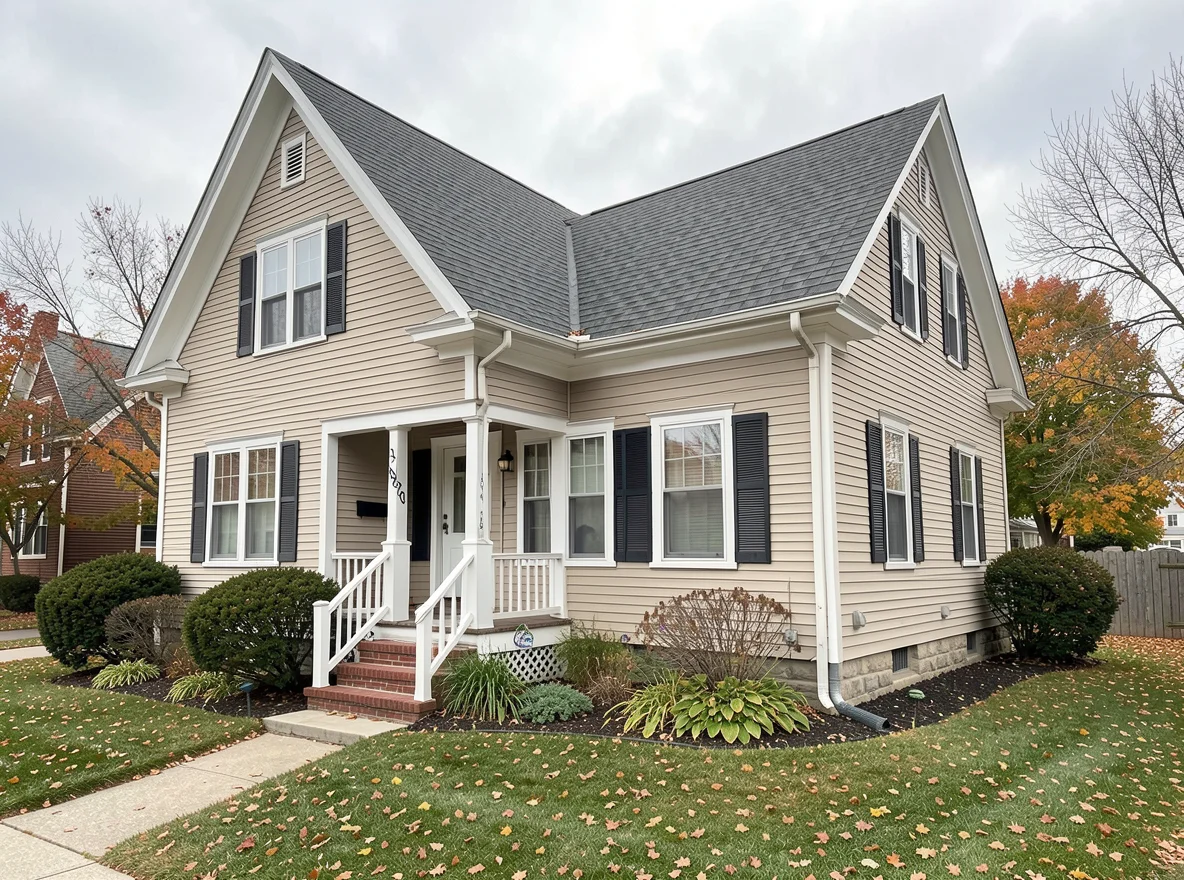
Focus on the findings that affect safety, allow water into the building, or could require significant work. Ask the inspector which concerns appear urgent, which deserve monitoring, and which are beyond the scope of a general inspection. A report may identify a symptom without determining its cause, so the next step is often a conversation with a qualified specialist.
Before scheduling, review the proposed inspection scope and your purchase agreement with your agent and attorney. Confirm the deadlines for inspections, follow-up evaluations, and any response to the seller. If possible, attend the inspection and ask questions as you go; seeing a condition in person can make the written report much easier to understand.
A stain, crack, or aging system is a starting point—not a repair estimate. Determine the cause and likely scope of work before deciding how much the finding matters.
Water, drainage, and the foundation
Moisture is worth investigating because it can affect several parts of a home at once. In a basement or crawl space, look for damp areas, staining, musty odors, efflorescence—the powdery residue sometimes left as moisture moves through masonry—or signs of previous water intrusion. Ask whether gutters, downspouts, grading, or other drainage conditions could be contributing.
Not every basement stain means an active leak, and dry weather on inspection day does not guarantee the space stays dry year-round. Ask the seller about known water issues and prior repairs, and review any available documentation. A waterproofing contractor or other appropriate specialist can help assess the source and propose options when the evidence is unclear.
Foundation cracks also need context. Small cracks may be less concerning than widening cracks, displacement, bowing walls, or doors and floors that suggest movement, but appearance alone is not a diagnosis. A structural engineer can evaluate significant or uncertain movement and explain whether monitoring or repair is warranted. That assessment is especially useful before you commit to a major expense.
Roof, attic, and exterior details
A roof’s age is useful information, but condition matters too. Missing or deteriorated shingles, damaged flashing, and signs of leaks around chimneys or roof penetrations deserve a closer look. Ask whether the inspector was able to observe the roof directly or only from the ground, and consider a roofer’s evaluation if access was limited or concerns remain.
In Massachusetts, winter conditions make attic ventilation, insulation, and evidence of past ice dams useful topics for discussion. Staining or damaged finishes near the roofline may point to a past or current issue, but they do not establish the cause on their own. Review available roof repair or replacement records and ask about warranties, including whether any warranty can transfer to a new owner.
Outside, pay attention to deteriorated siding, loose trim, peeling paint, and wood that is in contact with soil. These details can let moisture or pests reach concealed areas. A qualified contractor can help distinguish routine maintenance from damage that may extend behind the visible surface.
Heating, electrical, and plumbing systems
Mechanical systems affect both comfort and the cost of ownership. Ask about the age and service history of the heating equipment, observable condition, and whether the inspector could operate it during the visit. An older boiler or furnace is not automatically a failed system, but limited maintenance records or visible deterioration may justify a closer evaluation by a licensed heating professional.

Electrical red flags can include exposed wiring, improper connections, or signs of overheating. Plumbing concerns may include active leaks, corrosion, inadequate drainage, or materials that merit further assessment. A general inspector may recommend a licensed electrician or plumber when a condition needs diagnosis or when concealed work cannot be evaluated.
If the property uses heating oil, ask about the tank’s location, age, condition, and any available records. An underground tank or evidence of a leak can require specialized investigation. Do not assume that a standard home inspection determines whether a tank has leaked or establishes the cost of remediation.
Ask not only “Does it work today?” but also “What maintenance, specialist review, or replacement planning should come next?”
Special tests and property records
A general inspection does not cover every potential concern. Discuss whether separate radon testing, a wood-destroying insect inspection, a sewer-scope inspection, or water-quality testing makes sense for the property. Radon is an invisible gas that can enter homes through the ground; testing is the way to determine the level in a particular building. If results are elevated, a qualified mitigation professional can explain options.
For homes built before 1978, ask about available lead-paint information and review applicable federal and Massachusetts disclosure requirements with your agent or attorney. Older building materials can also contain asbestos. Suspected materials should be evaluated by an appropriately qualified professional rather than disturbed while you investigate.
For a home served by a private septic system, ask about the Massachusetts Title 5 inspection and applicable transfer requirements, as well as any local rules. Obtain the report and discuss any failures or required work with the appropriate professionals. For a private well, consider water testing and ask about the well’s history. If the property is connected to public sewer, a separate sewer-scope inspection may still reveal issues in the service line.
Permits and records can add context to visible work. Ask about documentation for additions, renovations, and major system replacements, and check with the local building department when appropriate. In a condominium, also review available association documents, maintenance responsibilities, reserves, and planned work; a unit inspection alone may not tell the full story of shared components.
Turn findings into a decision
Once the report arrives, group concerns by urgency and likely cost. Obtain written estimates where practical, including what each contractor expects to repair and what remains unknown. Consider asking whether further opening or testing is needed before an estimate can be reliable. Keep a separate list of routine maintenance so it does not obscure more consequential findings.
Depending on the agreement and applicable law, possible next steps may include requesting repairs or a credit, proceeding with the purchase, or exercising an available contractual right. Your agent and attorney can help you understand the terms and deadlines; your lender can explain whether proposed credits or repairs affect financing. Avoid assuming that a seller must agree to a request or that an inspection finding automatically lets you cancel.
Explore more home-buying guidance
The most useful inspection is one that leaves you with a clearer plan. Ask questions, bring in specialists when needed, and weigh the home’s condition against your budget and priorities. With the right information, you can move forward—or reconsider—with a better understanding of the work ahead.