
An open house can reveal far more than a home’s finishes and floor plan. Asking focused questions helps buyers compare opportunities with confidence, while sellers can use the same questions to prepare a clearer, more useful showing experience. The best decisions come from looking past the staging and understanding condition, costs, timing, and local market context.
Make the Open House Work Harder for You
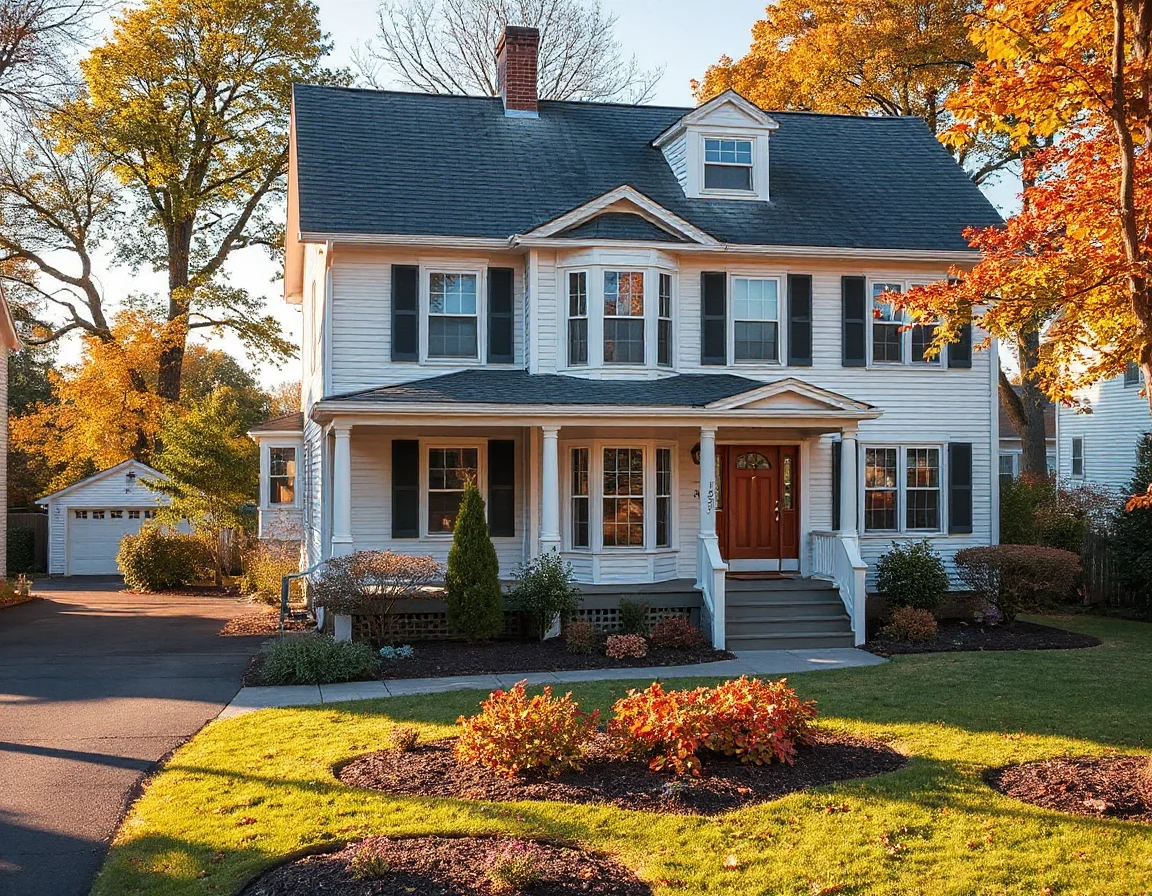
Open houses are often fast-moving events: visitors walk through rooms, notice the natural light, picture furniture placement, and collect listing sheets before heading to the next stop. That first impression matters, but it is only the beginning. Whether you are considering a purchase or preparing to list, an open house is an opportunity to gather practical information that may not fit neatly into an online listing description.
For buyers, the goal is not to interrogate the host or make an instant commitment. It is to leave with enough reliable detail to decide whether the property deserves a second look. A thoughtful question can clarify whether a feature is recent, whether a recurring expense is predictable, or whether a layout concern can be addressed. Bring a phone or small notebook, take permitted notes, and separate what you observed from what you would like to verify later.
Sellers benefit from this approach, too. The questions visitors ask repeatedly often point to the information that should be easy to find: utility ranges, renovation dates, permits, appliance ages, property tax information, association documents, or a simple explanation of how a distinctive system operates. Clear answers build confidence and reduce uncertainty during a showing.
The questions asked most often at an open house are usually the details that deserve a place in the listing packet, disclosure materials, or seller preparation notes.
Questions Buyers Should Ask About the Home
Start with the major systems and the work that may be ahead. Ask when the roof, heating and cooling equipment, water heater, windows, electrical panel, and major appliances were installed or last serviced. A recent update can be useful information, but “recent” means different things to different people. Whenever possible, ask for a year, the scope of the work, and whether records may be available during due diligence.
It is also helpful to ask about the home’s everyday operation. How is the property heated and cooled? Is the water supplied by a public system or a private well? Is the sewer connection public or private? Are there irrigation systems, solar panels, fireplaces, generators, sump pumps, septic components, or fuel tanks that require regular attention? These are not necessarily concerns; they are ownership details that help you estimate maintenance, understand responsibilities, and plan for inspections.
Look carefully at the layout while you are there, then ask questions that connect the plan to daily use. Which rooms were added or renovated, and were permits obtained where required? Is there storage beyond what is visible? How are laundry, parking, outdoor areas, and basement or attic spaces used? If the home is part of an association, ask about monthly or annual fees, what they cover, upcoming projects, rental policies, and whether governing documents can be reviewed.
Finally, ask about timing. Is there an offer deadline? Has the seller set a preferred closing date? Are there contingencies or occupancy needs that could affect the transaction? A home can be a strong match on paper, but the right next step also depends on whether the schedule, terms, and financing plan can align.
Look Beyond the Staging and Into the Details
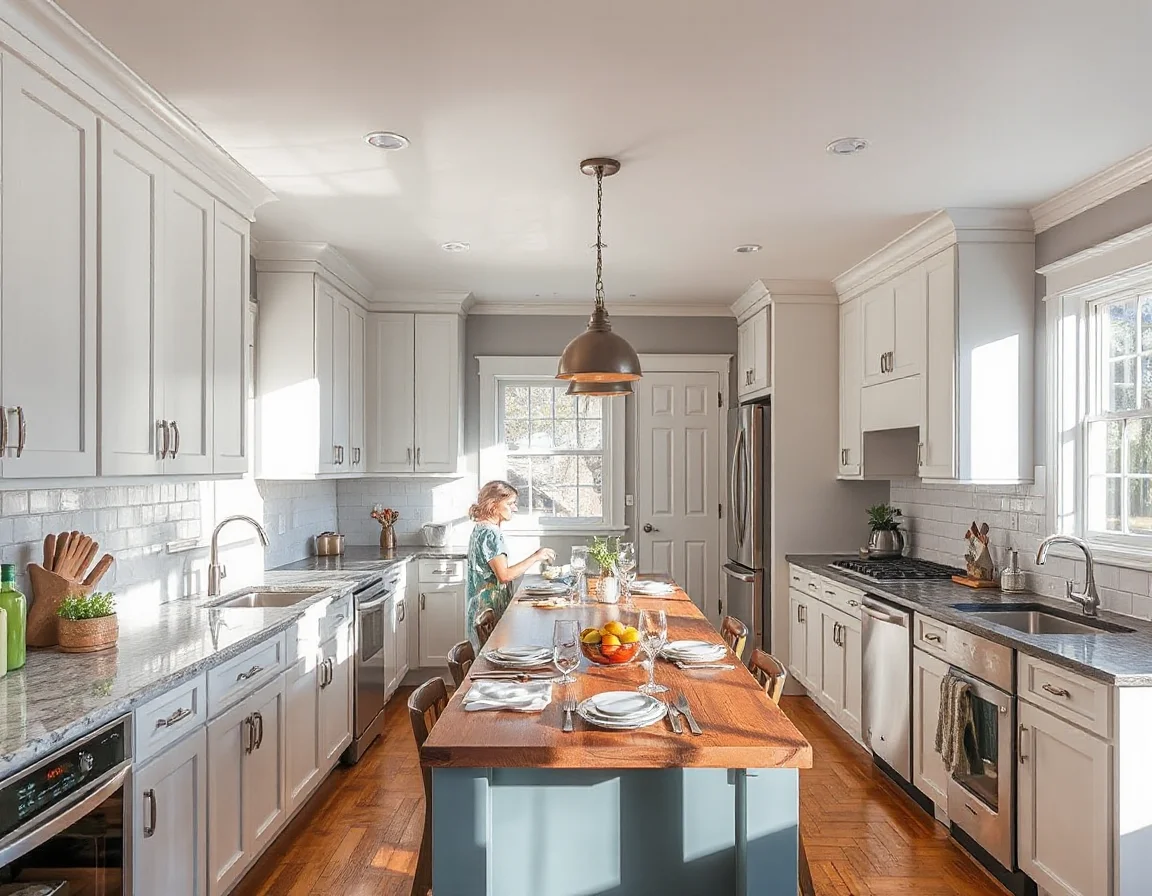
Staging can help people understand room scale and possible uses, but it should not replace a close look at condition. During an open house, notice the areas that receive the most wear: floors near entrances, window sills, ceilings, cabinetry, grout, exterior trim, driveways, and drainage around the foundation. You are not conducting an inspection, and it is wise not to jump to conclusions from a single observation. Instead, make a note of anything you would want a licensed inspector or specialist to evaluate.
Ask what is included in the sale rather than assuming that a visible item conveys. Window treatments, wall-mounted televisions, refrigerators, charging equipment, sheds, outdoor furniture, and attached fixtures can all be handled differently depending on the agreement. The listing agent can explain what the seller currently intends to include, while the purchase contract will ultimately define the terms.
For older homes, character and maintenance often go together. Original woodwork, period windows, historic details, and established landscaping may be meaningful features, but they can also call for specialized care. Ask what improvements have been completed, whether there are warranties that may transfer, and whether the seller has encountered recurring maintenance needs. Specific, documented answers are more useful than broad reassurance.
Location questions should stay practical and property-focused. You might ask about access to public transportation, parks, grocery options, road maintenance, parking rules, flood-zone designation, municipal services, or typical travel routes. Verify information that matters to your decision through public sources and the appropriate local offices, especially when it involves zoning, taxes, planned projects, school assignment boundaries, or environmental conditions.
Questions Sellers Should Prepare to Answer
Sellers do not need to have every document displayed on a kitchen counter, but preparation makes an open house more productive. Assemble a concise property information sheet with the year built, lot size, room count, heating and cooling types, utility providers, recent improvements, and any association information. If a repair, upgrade, or renovation is worth highlighting, include the date and a plain-language description of the work.
Be ready for questions about why the property is being sold, but keep the response simple and factual. Buyers are generally trying to understand the seller’s desired timeline and whether the transaction may involve special conditions. Your agent can help frame this information appropriately and handle questions that are better answered through formal disclosures, offer terms, or follow-up communication.
It is especially useful to discuss the home’s operational details before the first showing. If the heating system has an efficient routine, if a drainage feature has been improved, if smart-home controls need a quick explanation, or if a shared driveway has a written agreement, make sure your agent has accurate information. Being organized does not mean presenting a flawless home; it means making the decision-making process more transparent.
A well-prepared seller packet should answer the practical questions a visitor cannot see in a ten-minute walk-through: systems, costs, improvements, documents, and transaction timing.
Turn Good Questions Into a Better Decision
After an open house, give yourself time to compare notes before relying on memory. Consider the home’s condition, layout, estimated carrying costs, location features, and how it fits your overall priorities. If the property remains compelling, arrange a second showing and bring a more detailed list. That is the right time to measure key spaces, revisit areas that felt rushed, and discuss offer strategy or pre-offer due diligence with your real estate professional.
For sellers, review feedback with an open mind. Repeated questions about storage, updates, parking, fees, or systems may suggest a need for clearer marketing materials or a small preparation project. An open house is not just a promotional event; it is a useful listening opportunity that can sharpen how the property is presented.
Ultimately, the best open-house questions are direct, respectful, and specific. They help buyers move forward with more context and help sellers create a more informed experience for every visitor. A few careful conversations can turn a quick walk-through into the beginning of a well-reasoned real estate decision.