


A beautiful parcel can still hold expensive surprises below the surface or beyond the property line. Before committing to land, confirm the boundaries, wastewater feasibility, and legal route to the site so your plans begin with clear information rather than assumptions. A survey, perc review, and access check are three practical layers of protection for a more confident purchase.
Start With the Questions That Shape the Entire Purchase
Buying land invites imagination: a home positioned for morning light, room for a garden, wooded privacy, or open views across a field. But raw land is different from an existing home purchase because many of the essential details are not immediately visible. A listing may describe acreage, road frontage, or a promising building site, yet the actual usability of a parcel depends on records, site conditions, approvals, and rights that should be examined before closing.

The goal is not to make land buying feel intimidating. It is to give the purchase the same disciplined attention you would bring to any major investment. A few focused due-diligence steps can clarify what you are acquiring, whether your intended use is realistic, and which costs may need to be included in your budget.
Three items deserve early attention: a current survey or boundary review, a septic or perc evaluation where public sewer is unavailable, and confirmation of legal, practical access. These checks work together. A parcel can have ample acreage but limited buildable area, favorable soil but no recorded access, or apparent frontage that does not match the deed description. Identifying those details early gives you time to ask informed questions, negotiate thoughtfully, or reconsider a property that does not fit your plans.
A land listing can be an excellent starting point, but it is not a substitute for recorded documents, local approvals, and qualified site professionals.
Know What a Survey Can Reveal
A survey is often one of the clearest ways to understand the land you are considering. It can identify boundary lines, monument locations, easements, rights-of-way, encroachments, and the relationship between the parcel and neighboring properties. Older surveys may still be useful, but a current survey or professional review is especially valuable when markers are missing, boundaries are irregular, acreage is a key part of the decision, or improvements are planned.
Do not assume a fence, tree line, stone wall, or mowed edge is the legal boundary. Those visible features may have practical history, but they do not necessarily match the deed or recorded plat. A licensed surveyor can compare available records with conditions on the ground and explain where uncertainty remains. This is important before placing a driveway, home, well, utility line, retaining wall, or other improvement near a property edge.
Pay close attention to easements. Utility easements may allow infrastructure across part of the land. Conservation restrictions may limit development or vegetation removal. Shared-drive agreements may define maintenance responsibilities. None of these items automatically prevents a successful purchase, but each can affect building placement, expenses, future flexibility, and the way the parcel is used over time.
If the property is being divided from a larger tract, ask whether a new survey, subdivision approval, or updated legal description will be needed. The acreage shown in marketing materials may be approximate, and the boundaries may not be final until the appropriate documents are prepared and recorded.
Treat Perc and Septic Feasibility as a Major Decision Point
Where public sewer is not available, the land must generally support an approved onsite wastewater system. A perc test, soil evaluation, or septic suitability review helps determine whether the site has soil conditions appropriate for that system. Requirements and terminology vary by municipality and state, so it is important to confirm what has already been completed, whether approvals remain valid, and what additional work may be required for your intended project.
A successful soil test does not simply mean “buildable.” It may guide the location and design of the septic system, reserve area, well, house footprint, and driveway. Wetlands, slopes, ledge, groundwater conditions, setbacks, and local health regulations can all influence the final layout. It is wise to review the parcel as a whole rather than viewing the septic area as an isolated checkbox.
Ask for copies of any prior soil reports, septic plans, permits, correspondence, or approval letters. Then verify them with the relevant local authority and qualified professionals. Older approvals may have expiration dates, may apply to a different system design, or may depend on a home size or use that differs from your plans. If there has never been a test, include adequate time in your purchase agreement for investigation and be prepared for seasonal or scheduling limitations.
The best building location is often determined by several constraints at once: septic area, well separation, setbacks, topography, wetlands, and the route of the driveway.
A realistic budget should also account for design, engineering, installation, site clearing, drainage work, and potential soil-related upgrades. A lower purchase price can be appealing, but the full cost of making a parcel ready for construction is what matters most when comparing opportunities.
Confirm Legal Access Before You Count on the Driveway
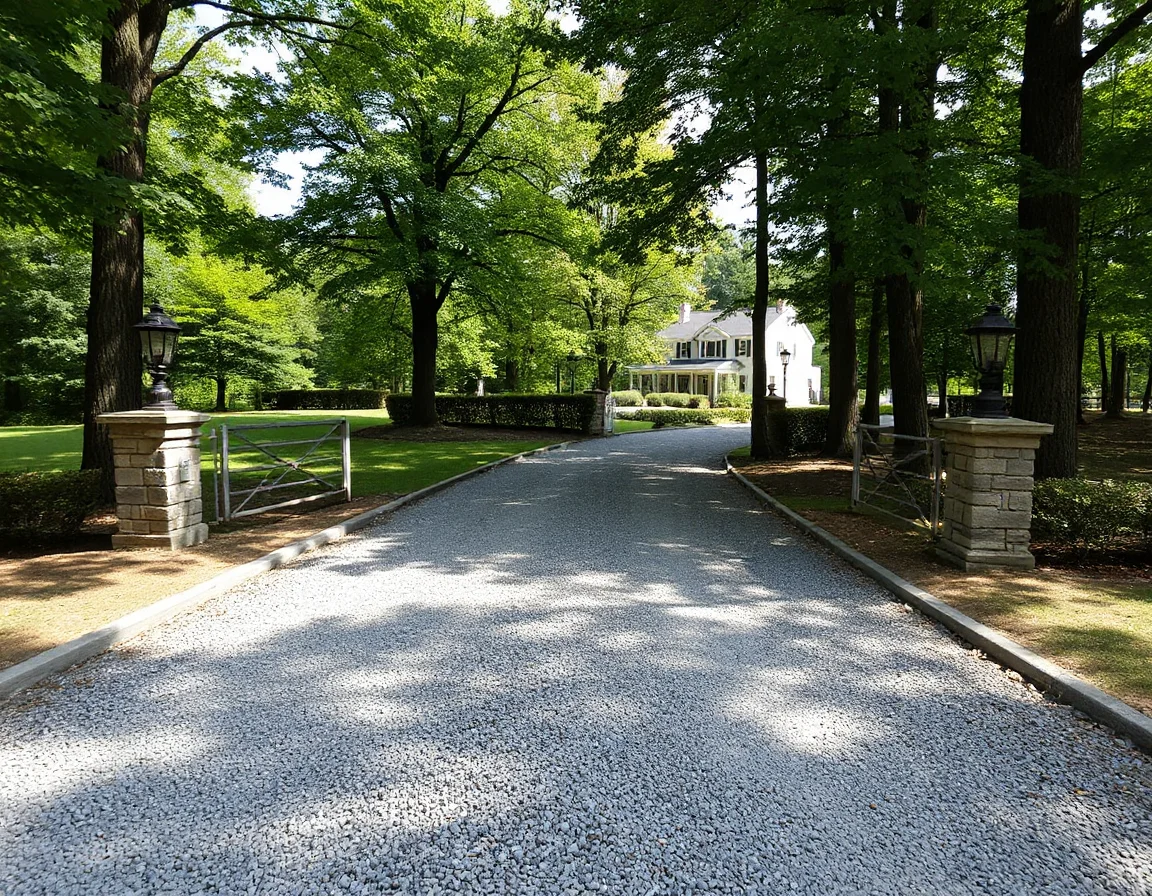
Access can seem obvious when you can physically walk or drive onto a parcel, yet physical access and legal access are not always the same thing. A property may touch a public road, be reached by a private road, or rely on an easement across another parcel. The deed, survey, recorded plans, and municipal records should show how access is legally established and who is responsible for maintaining it.
For a parcel served by a private road or shared drive, ask direct questions. Is there a written road-maintenance agreement? Are costs shared according to a defined formula? Are there standards for snow removal, repairs, drainage, gates, or utility installation? Is the route wide enough and suitably configured for emergency access, construction equipment, and the improvements you intend to build? A title professional, surveyor, attorney, engineer, or local official may each have an important role in answering different parts of the access question.
Road frontage requirements can also affect development rights. A parcel with frontage may still require permits for a curb cut or driveway connection, and sight-distance rules, drainage controls, or roadway classifications can influence where that connection is permitted. Confirm the process before making a purchase decision based on a preferred entrance location.
Explore available land listings
Build a Due-Diligence Timeline That Leaves Room for Answers
Strong land purchases are rarely rushed. Before making an offer, consider discussing an appropriate due-diligence period with your real estate professional and attorney. The timeline should allow for title review, survey work, soil testing, municipal conversations, utility research, zoning confirmation, and visits with contractors or engineers when needed. Every parcel is different, so the right timeframe depends on the questions the property raises.
Create a simple file for the property and collect the documents in one place: deed, tax map, survey, zoning information, wetland maps, septic records, easement documents, utility details, road agreements, and relevant permits. Written records make it easier to compare information and follow up when descriptions do not match. They can also be valuable later when planning improvements or preparing for a future sale.
The most rewarding land purchase is one that supports your plans on paper as well as in person. By confirming boundaries, wastewater feasibility, and access early, you can move from a hopeful first visit to a well-supported decision. Careful preparation protects your budget, clarifies your options, and helps ensure the parcel you choose is ready for the next stage of its story.