

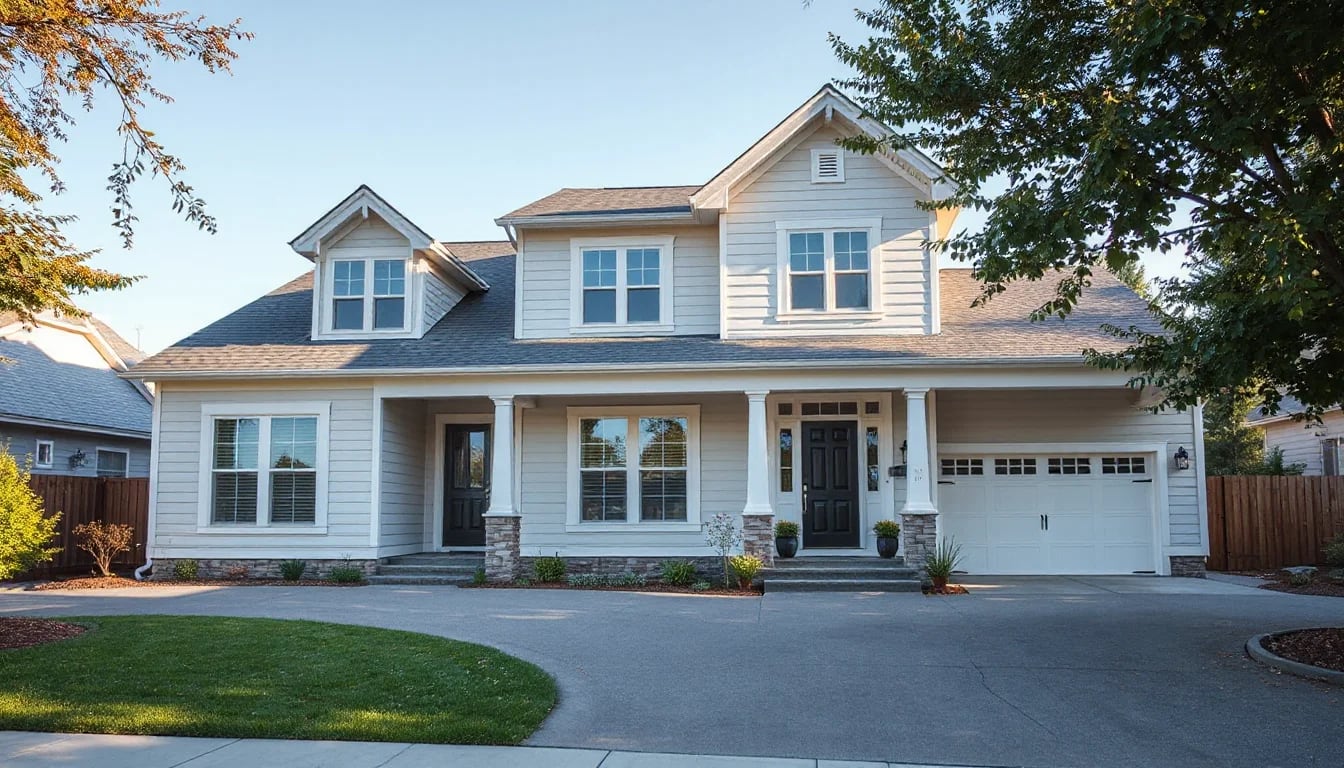
A COMING SOON property can look promising at first glance, but rental income potential depends on far more than the asking price. Before you buy, compare likely rent, operating costs, local demand patterns, and the property’s physical setup so your numbers reflect real performance instead of wishful thinking. A disciplined review now can help you identify opportunities, avoid thin margins, and make a more confident offer.
Start With Income, Not Just the Listing Price
When a home appears in COMING SOON status, buyers often focus on getting ahead of competition. That early access can be valuable, but it is even more useful when paired with a clear rental analysis. The key question is simple: what could this property realistically produce each month after it is available for rent? That means looking beyond a rough online estimate and instead building a local, property-specific range based on layout, condition, parking, location, and comparable rentals.

A practical way to begin is by identifying recently leased properties with similar bedroom count, square footage, and overall finish level. If the home has features that affect rentability, such as in-unit laundry, updated kitchen finishes, off-street parking, outdoor space, or a separate entry, those details matter. A property that looks ordinary in photos may outperform nearby options if its layout is more functional, while a larger home may underperform if it needs cosmetic or mechanical work before a tenant would pay market-rate rent.
It is also smart to test more than one rent scenario. Use a conservative estimate, a likely estimate, and a stretch estimate. That gives you a better view of your margin if the market softens, the property sits vacant for a few weeks, or renovation costs run higher than expected. In rental investing, a deal that only works under best-case assumptions is usually a sign to slow down.
If your projected cash flow only works at the very top of the rent range, the property may be priced for a homeowner rather than for an income-focused purchase.
Account for the Expenses That Quietly Change the Deal
Strong gross rent can still lead to weak returns if ongoing expenses are underestimated. Property taxes, insurance, utilities paid by the owner, maintenance reserves, landscaping, snow removal where applicable, turnover costs, and professional management can all materially affect monthly performance. Even buyers planning to self-manage should still assign a management line item during analysis so the investment remains viable if their schedule changes later.
Older homes deserve especially careful review. A COMING SOON listing may not yet include every disclosure detail or contractor estimate you will eventually want. Roof age, heating system condition, window quality, plumbing updates, and electrical capacity can influence both immediate repair spending and longer-term operating costs. Deferred maintenance does not only create a future bill; it can also affect tenant demand, time on market, and the level of rent the property can command.
Another area buyers sometimes miss is turnover. Paint, cleaning, lock changes, minor repairs, and leasing costs can create gaps between occupants. If the property would need meaningful work before first occupancy, build that timeline into your return calculations rather than assuming rent starts immediately after closing.
Study the Demand Drivers Around the Property
Rental value is tied to more than the structure itself. Access to transportation routes, shopping areas, parks, employment centers, universities, medical facilities, and daily services can all influence demand and pricing. The goal is not to guess who will rent the home, but to understand why a location stays competitive and what features renters commonly compare when choosing among available options.

Pay attention to the current rental inventory nearby as well. If multiple similar units are available for lease, that may signal more pricing pressure than you first expected. On the other hand, a limited supply of well-maintained rentals can support stronger terms and shorter vacancy windows. Review not only asking rents but also how quickly listings appear to move and whether concessions are common.
Seasonality can also matter. In some markets, leasing activity is stronger during certain months, while winter timing can slow absorption and push owners toward lower starting rents. If you are buying a property that will not be ready immediately, estimate what the rental environment may look like by the time your renovation and leasing plan are complete.
Community fundamentals help explain whether demand is likely to remain steady. Roads, public infrastructure, local investment, and visible upkeep in the surrounding area all provide useful context when you evaluate long-term hold potential.
A property with average finishes in a location with durable rental demand can outperform a prettier home in a softer leasing pocket.
Evaluate the Floor Plan Like an Operator
Investors often think in terms of bedroom count first, but usability is just as important. Ask whether the layout supports everyday living without awkward compromises. Is there enough storage? Is one bedroom only accessible through another room? Is there a second bath, or at least a conveniently placed half bath? Can tenants move furniture easily? Does the parking arrangement work smoothly for the number of occupants the home size would typically support?
A flexible floor plan can widen your rental options and support more stable occupancy. Finished basement space, a dedicated office nook, mudroom storage, or a separate entrance may improve marketability depending on local norms and applicable regulations. At the same time, unusual layouts can limit appeal even when square footage looks strong on paper. Buyers reviewing COMING SOON homes should try to picture not just a showing experience, but the daily practical use of the space.
Condition and finish level should also match your target rent range. If nearby rentals at the same price point offer updated kitchens, refreshed baths, and easy-care flooring, a dated property may require capital investment before it competes well. That does not mean it is a bad purchase. It means the acquisition price, renovation budget, and projected rent all need to line up.
Run the Return Metrics Before You Write the Offer
Once you have rent estimates, expense assumptions, and a realistic picture of condition, translate the deal into numbers you can compare. At minimum, calculate monthly cash flow, cap rate, cash-on-cash return, and debt coverage if financing is involved. No single metric tells the whole story, but together they reveal whether the property is merely interesting or actually investable.

Be careful not to blur renovation costs into the background. If the property needs work to achieve your rent target, that cash is part of the investment basis and should be reflected in your return calculations. The same goes for closing costs, lender fees, reserves, and any improvements needed to reduce maintenance risk in the first year. Clear math can protect you from overbidding in a fast-moving situation.
It also helps to set your walk-away point before negotiations intensify. COMING SOON listings can create urgency, and urgency can tempt buyers to rationalize thin returns. A pre-defined maximum purchase price based on your numbers keeps emotion from taking over once the property becomes fully active or multiple offers begin to surface.
Use Early Access to Prepare, Not to Rush
The best advantage of a COMING SOON property is preparation time. You can study rent comps, line up financing, estimate repair costs, and decide what return threshold makes sense for your goals before the home reaches the broader market. That preparation can make your offer faster and more confident, but it should not replace due diligence.
A smart rental purchase is built on objective inputs: likely rent, controllable expenses, durable demand, practical layout, and disciplined return targets. If those pieces fit, buying early may position you well. If they do not, passing can be just as valuable. In investment real estate, the deal you avoid can improve your portfolio almost as much as the one you win.