

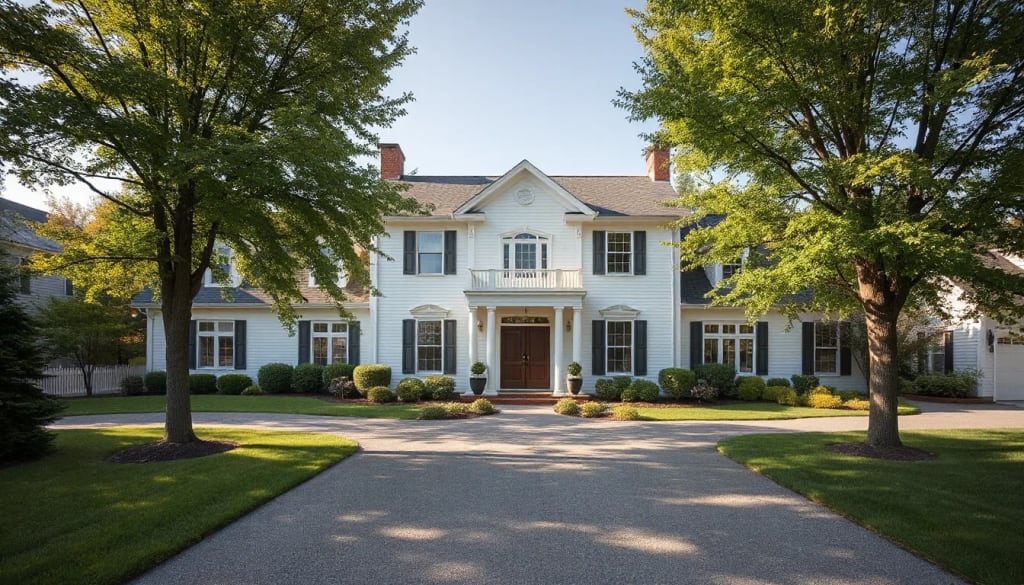
Seller Prep Strategies in Rhode Island for Stronger Listing Results
Getting a home ready to list is part planning, part presentation, and part timing. In Rhode Island, where buyers often compare historic charm, coastal appeal, compact commutes, and move-in-ready condition all at once, thoughtful preparation can have a real impact on how a property is received. A strong launch is rarely about one dramatic upgrade. More often, it comes down to a series of smart, practical decisions that help the home photograph well, show clearly, and feel easy to evaluate from the first click to the final walkthrough.
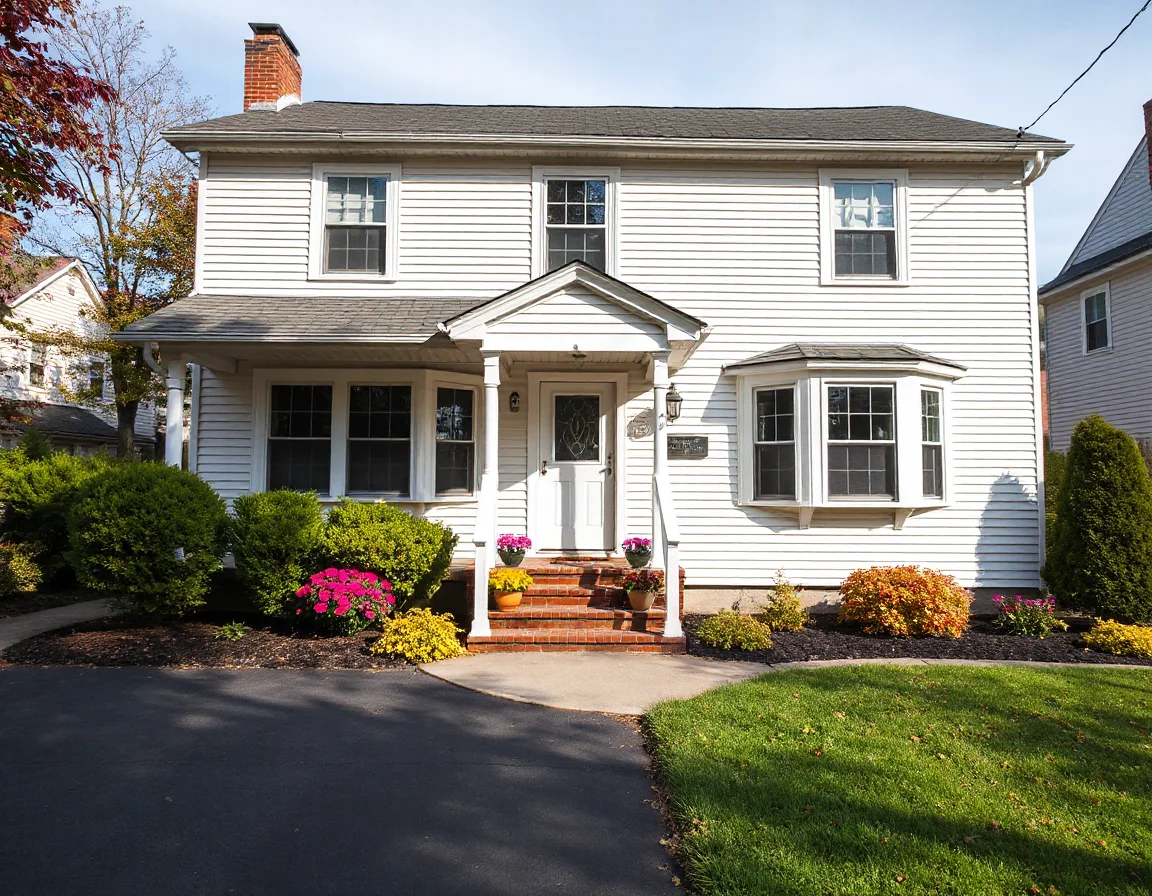
One of the best places to begin is the outside. Rhode Island properties benefit from curb appeal that feels polished but believable: trimmed shrubs, swept walkways, fresh mulch, clean siding, and a front entry that looks maintained rather than overly staged. In many neighborhoods, buyers may see several homes in a single afternoon, so details like a freshly painted door, updated exterior lighting, or repaired railings can help a listing stand out without requiring a major renovation. If the property has a porch, patio, or small yard, arranging those spaces to show clear purpose can also make the home feel more complete.
Inside, preparation works best when it emphasizes space, light, and function. That usually means reducing visual clutter, removing bulky or excess furniture, and creating a layout that lets buyers move through each room easily. Kitchens and baths tend to receive extra attention, so even modest updates such as re-caulking, replacing dated hardware, deep cleaning grout, or improving lighting can sharpen the overall impression. For older Rhode Island homes, pre-listing prep should also respect original character. Refinished wood floors, restored trim, and clean architectural details often do more for presentation than trendy finishes that feel disconnected from the home itself.
Before professional photography is scheduled, sellers should think through every surface a camera will notice. Window glass, mirrors, stainless appliances, and dark flooring all reveal dust and streaks quickly in listing photos. Linen, bedding, and towels should be simple and coordinated. Closets, basements, and utility spaces matter too, especially when buyers are comparing storage and maintenance. A garage with organized shelving or a basement with clear walking paths can subtly signal that the property has been cared for over time. The goal is not perfection; it is confidence.
Focus on Repairs That Support Buyer Confidence
Not every issue needs a full replacement before listing, but visible deferred maintenance can distract from a home's strengths. Loose doorknobs, dripping faucets, chipped paint, cracked outlet covers, and sticking windows may seem minor individually, yet together they can shape a buyer's impression of upkeep. Completing small repairs ahead of time often improves both showings and negotiation posture. When a home feels maintained, buyers are less likely to assume there are larger hidden concerns.
In Rhode Island, weather exposure is another practical consideration. Entryways, exterior trim, roofing details, gutters, and drainage areas deserve a close look before the property hits the market. If the home has been through a long winter or a wet season, addressing wear early can help avoid distractions during inspections. Sellers may also benefit from servicing heating systems, checking ventilation, and replacing filters so the home feels comfortable during tours. These are not flashy improvements, but they support a smoother experience from listing to closing.
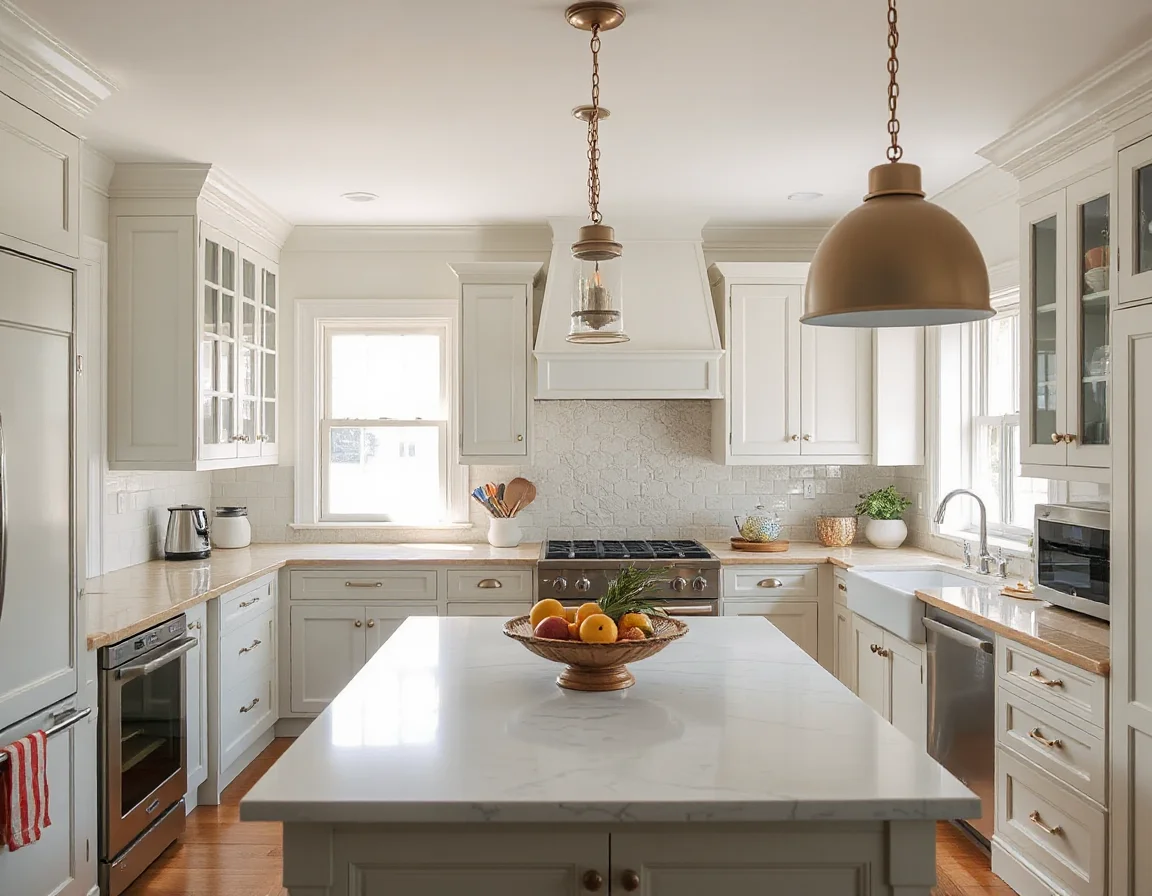
Pricing strategy and presentation should also work together. A well-prepared home supports stronger photography, more compelling online marketing, and better showing feedback. Buyers scrolling through listings tend to pause on homes that look clear, bright, and easy to understand. That means each room should communicate its use without confusion. If a spare room has become a catch-all storage area, converting it into a simple office, reading room, or guest space can clarify value. In smaller homes, that kind of visual organization becomes especially important.
Local market timing matters as well. Rhode Island's inventory patterns, waterfront interest, seasonal activity, and neighborhood-by-neighborhood demand can affect how much prep makes sense before launch. In some cases, a seller may benefit from completing a focused refresh and listing quickly. In others, a few extra weeks spent on paint, landscaping, and staging can position the home more competitively. The key is making improvements that are visible to buyers and relevant to current expectations, rather than over-improving in ways the market may not fully reward.
Create a Showing Experience That Feels Easy and Memorable
Once the home is ready, the showing experience becomes the next layer of preparation. Clean air, comfortable temperature, open blinds, and a calm atmosphere all influence how buyers move through a property. If the home has attractive natural light, schedule photos and showings to take advantage of it. If there are standout features such as a mudroom, renovated bath, harbor view, detached studio, or fenced outdoor area, make sure those spaces are clean, accessible, and not overshadowed by clutter. Buyers remember homes that feel coherent.
It also helps to think like a buyer reviewing the property for the first time. Are paint colors neutral enough to keep the focus on the space? Is there enough lighting in hallways and lower levels? Do furnishings help define traffic flow? Are personal items minimized so visitors can focus on the home itself? These questions may sound simple, but they shape the emotional and practical response a listing receives. Well-prepared homes often feel more spacious, more cared for, and easier to picture over the long term.

Marketing materials should reinforce that same clarity. A strong listing highlights measurable features: square footage, updates, lot characteristics, storage, outdoor amenities, architectural details, and location advantages such as proximity to transportation routes, waterfront access, parks, universities, or village centers. The most effective property descriptions avoid hype and instead help buyers quickly understand what sets the home apart. Accurate, appealing presentation builds trust and can improve both showing volume and the quality of buyer interest.
Ultimately, seller prep is about reducing friction. When a home looks clean, complete, and thoughtfully presented, buyers can focus on the layout, finishes, and lifestyle benefits instead of mentally adding up repair lists and to-do items. In a market as varied as Rhode Island, that can make a meaningful difference. With the right plan, sellers can present their property with confidence, support stronger first impressions, and give their listing the best possible chance to perform well from day one.