Building Stronger Returns With Rhode Island Investment Properties
Rhode Island may be the smallest state in the country, but its real estate opportunities can have an outsized impact on long-term return on investment. From coastal communities and historic town centers to college-driven rental demand and commuter-friendly locations, the Ocean State offers a mix of property types and market dynamics that appeal to investors focused on steady performance over time. For buyers looking beyond short-term fluctuations, the key is understanding how local conditions, property strategy, and ongoing management work together to support durable results.
One of the biggest advantages in this market is variety. Investors can explore multifamily properties in established neighborhoods, condominiums near employment centers, single-family homes in well-connected communities, or mixed-use opportunities in walkable village districts. That range allows buyers to align an acquisition with a specific goal, whether that means monthly cash flow, long-term appreciation, seasonal flexibility, or a balanced hold strategy. Rhode Island's compact geography also makes it easier to compare submarkets without covering large distances, which can be especially useful when evaluating price points, rents, vacancy trends, and renovation potential.
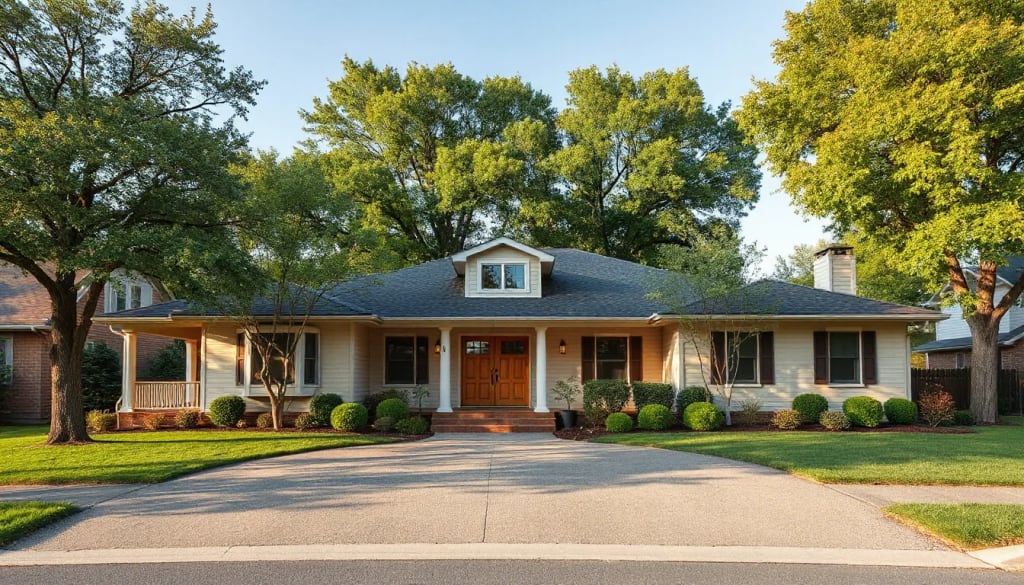
Location selection plays a major role in improving ROI, but that does not simply mean chasing the lowest purchase price or the highest advertised rent. A stronger long-term approach looks at access to transportation, universities, medical centers, waterfront amenities, local business districts, and year-round demand drivers. Areas connected to Providence, Newport, Warwick, Cranston, and other established Rhode Island communities often attract interest because they offer convenient access to employment, recreation, and daily services. Properties near commuter rail connections, major routes, or active downtown corridors can also benefit from broader rental appeal and potentially lower vacancy over time.
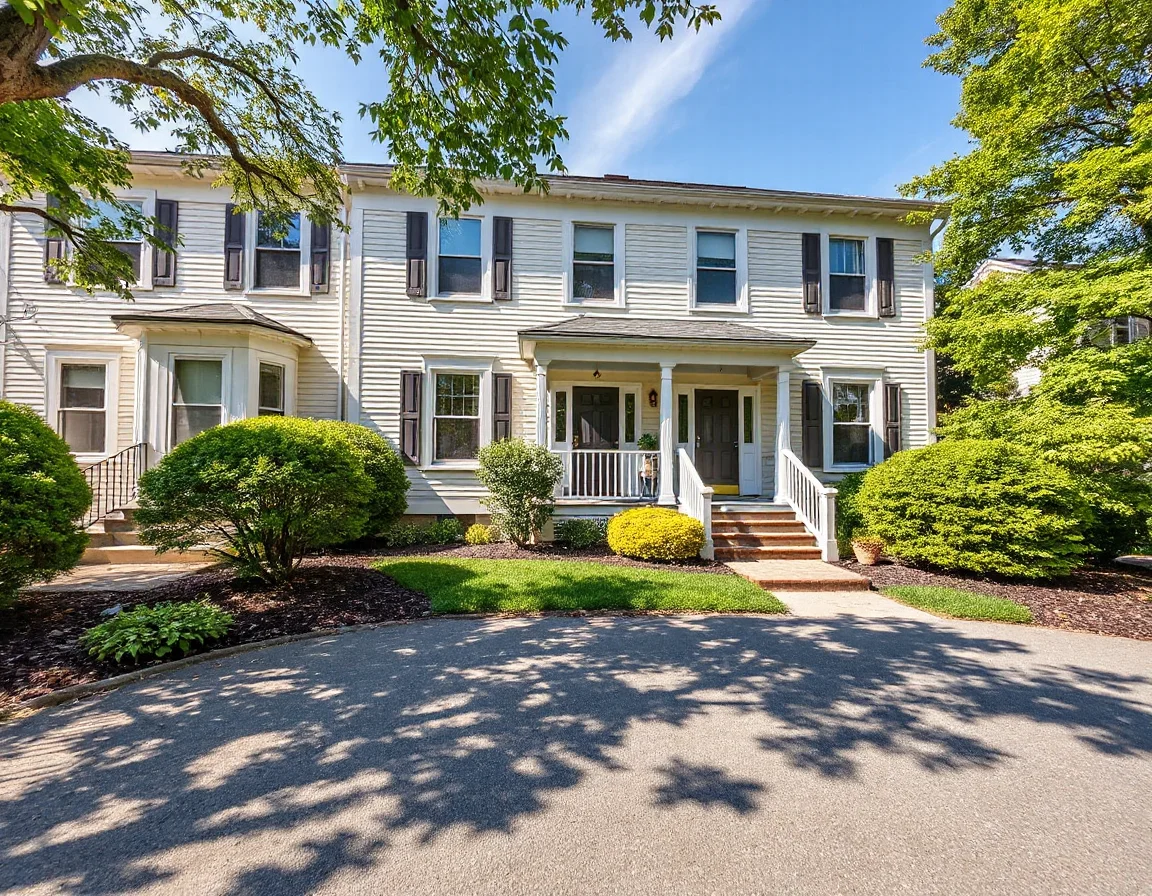
Another important factor is property condition at acquisition. A lower upfront purchase price can look attractive, but extensive deferred maintenance may reduce returns if repairs, code updates, and system replacements pile up too quickly. In many Rhode Island markets, older housing stock brings charm and architectural character, yet investors should carefully review roofs, windows, heating systems, plumbing, insulation, and foundation conditions before committing. A property with solid structure and manageable cosmetic updates may produce a more predictable return than one requiring major capital work in the first few years of ownership.
Financing strategy matters just as much as the property itself. Interest rate structure, reserves, renovation budgets, insurance costs, and tax planning all influence actual performance. Investors who build conservative assumptions into their numbers are often better positioned for long-term success than those who rely on best-case rent projections. Running scenarios for maintenance, vacancy periods, turnover expenses, and local tax changes can help clarify whether a property still works when conditions are less than perfect. That kind of discipline often separates a sustainable investment from one that only looks good on paper.
Why Market Stability Can Matter More Than Fast Appreciation
Many investors initially focus on dramatic appreciation, but durable ROI often comes from a blend of moderate growth, reliable occupancy, and careful expense control. Rhode Island can be appealing in this regard because its housing supply is limited in many areas, and that constraint can support values over time. While no market is immune to broader economic cycles, limited land availability and established community patterns can help create resilience in select submarkets.
Rental demand is another long-term driver. Colleges and universities, healthcare institutions, marine industries, tourism-related employment, and regional commuting patterns all contribute to housing demand across different parts of the state. That does not mean every property will perform equally, of course. Investors still need to match the right unit mix, pricing strategy, and lease structure to the surrounding market. But when a property is purchased at a sensible basis and operated efficiently, recurring rental income can become a powerful component of overall ROI.

There is also value in paying attention to the surrounding amenity base. Access to waterfront areas, public parks, universities, dining corridors, arts venues, and neighborhood services can make a property more competitive when attracting and retaining tenants or future buyers. These features influence desirability in a practical way: shorter drives, more recreation options, and convenient daily routines can support steady demand. For investors, that can translate into stronger occupancy, fewer concessions, and better resale positioning down the line.
Investors considering seasonal or short-term rental strategies should be especially careful to research local regulations, association rules, licensing requirements, and operating costs. A property near the coast may appear to offer strong revenue potential during peak travel months, but seasonal demand patterns, turnover costs, insurance considerations, and local policy changes all affect net results. In many cases, a hybrid perspective works best: evaluate whether the property would still make sense under a more traditional long-term rental model if short-term conditions change.
Operational Improvements That Can Lift ROI Over Time
Long-term return is not just created at the closing table. It is also shaped by what happens afterward. Thoughtful property management can improve performance through tenant retention, preventive maintenance, efficient vendor coordination, and strategic upgrades. Simple improvements such as durable flooring, updated lighting, improved storage, refreshed kitchens and baths, and energy-conscious systems can help support rent growth while reducing frequent replacement costs. The best improvements are not always the flashiest; they are the ones that balance market expectations with practical durability.
Expense control deserves the same attention as revenue growth. Insurance, utilities, maintenance, snow removal, landscaping, and property taxes can all influence margins in Rhode Island. Investors who review these line items regularly may discover opportunities to renegotiate service contracts, improve energy efficiency, or phase repairs in a smarter order. Even small operational gains can add up substantially over a multi-year hold period, especially when paired with rising rents or improved occupancy.
Exit strategy should also be part of the initial plan. Some buyers want to refinance after renovations, others intend to hold through multiple market cycles, and some aim to exchange into larger properties later. Knowing that objective in advance can guide decisions about location, property type, renovation budget, and financing terms. A well-selected Rhode Island investment property can create multiple paths forward, including ongoing income, equity growth, or future repositioning.
For investors who want to improve long-term ROI, Rhode Island offers a compelling combination of constrained supply, distinctive communities, and diverse housing options. Success comes from pairing those market advantages with disciplined underwriting, realistic expense planning, and attentive management. With the right strategy, an investment property here can become more than a short-term play; it can serve as a reliable asset that supports income, appreciation, and flexibility over time.