


Transit stops, public parks, and active village centers can help shape the day-to-day appeal and long-term resilience of a multi-unit or investment property. The best evaluation goes beyond a map pin: it considers walking routes, service schedules, maintenance obligations, parking patterns, and how nearby amenities support practical routines. This guide outlines a clear way to study these location features before making an investment decision.
Look Beyond the Property Line
When evaluating a multi-unit building or another income-producing property, the block around it can matter nearly as much as the building itself. A well-maintained property with sensible operating numbers is only part of the picture. Access to transportation, outdoor space, everyday services, and established commercial corridors can influence how easily residents navigate errands, commutes, recreation, and appointments without relying on a single travel option.

Start with a practical radius, not a vague description. Pull up a map and trace the actual routes from the property to a rail station, bus stop, green space, grocery option, library, public plaza, or neighborhood business district. A destination that appears close on a map may be separated by a busy roadway, an indirect crossing, steep terrain, or a sidewalk gap. Walkability is not just distance; it is the ease and comfort of completing a trip on foot, by bicycle, by transit, or by car.
Transit deserves especially careful attention. Review the service type, frequency, first and last runs, transfer points, accessibility information, and whether schedules change substantially on weekends or holidays. A nearby stop with limited service is different from a station or route that offers dependable all-day connections. Investors can also check where riders wait, whether there is lighting and shelter, and how easily the route connects to employment centers, medical facilities, colleges, airports, or other regional destinations.
For properties in Southern New England, transportation patterns often vary by municipality and even by neighborhood. Some locations are served by regional rail or frequent bus networks, while others rely more heavily on driving and local commuter routes. Rather than assuming transit is an automatic value-add, document what is actually available and present it accurately in future marketing materials. Specific details are more useful than broad claims.
A ten-minute walk is not always the same experience in every direction. Check crossings, pavement condition, hills, winter maintenance, and the route after dark before treating a nearby amenity as a reliable convenience.
Parks Add More Than Scenery
Public parks, trails, waterfront paths, and recreation areas can broaden the appeal of a location while offering an easy way to understand the rhythm of a neighborhood. A small green square may provide benches and shade; a larger municipal park may include fields, courts, walking paths, gardens, or seasonal programming. These amenities are public assets, so their condition, rules, hours, and maintenance are worth reviewing just as carefully as a property’s own exterior spaces.
Visit at more than one time of day if possible. Morning, weekday afternoon, and weekend conditions can reveal how a park is used, how parking works, whether paths connect to surrounding streets, and how much activity the area sees through different seasons. Review municipal plans as well. A planned path extension, renovated playground, redesigned waterfront, or streetscape project may change access patterns over time, while construction can also create temporary disruption.
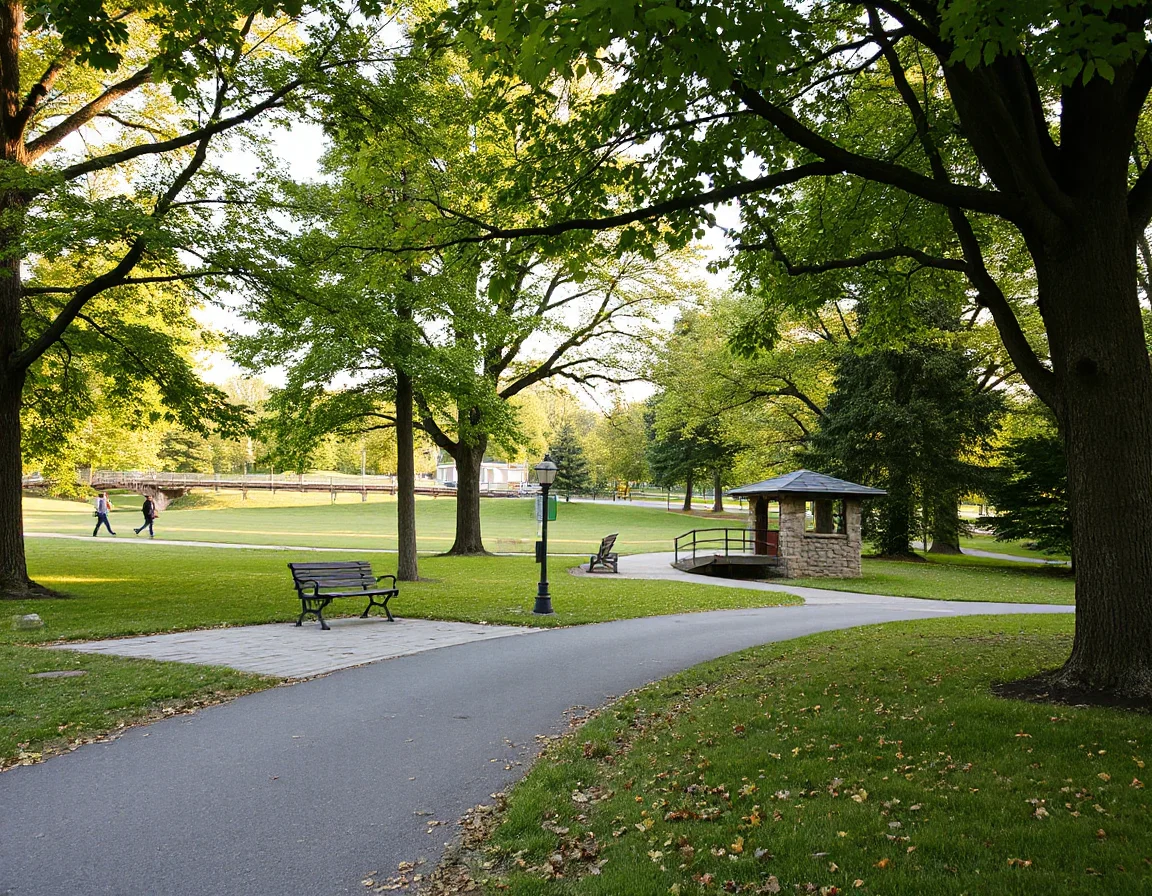
From an ownership perspective, nearby open space can also prompt useful property-level questions. Does the building have secure bicycle storage? Is there enough room for strollers, carts, or outdoor gear in a common area? Are drainage, landscaping, and exterior lighting in good condition? A property does not need to mimic every nearby amenity, but it should support the ordinary routines that make access to those places meaningful.
It is equally important to separate observation from assumption. Avoid attaching conclusions about a park to any particular type of resident. Instead, focus on objective features: path networks, tree canopy, sports courts, public restrooms, water access, posted regulations, municipal maintenance, and proximity to the property. This approach is more informative for prospective residents and more useful for creating fair, accurate listing descriptions.
Public-space improvements can take years to complete. Read project timelines, funding status, and construction notices rather than valuing an investment solely on an announcement or conceptual rendering.
How Main-Street Access Supports Everyday Demand
Established commercial corridors can give an area a useful sense of convenience, especially when they combine everyday destinations with sidewalks, public gathering places, and local services. For a multi/investment property, the relevant question is not whether a nearby district is trendy or busy. It is whether the corridor provides practical access and whether the property connects to it in a straightforward, well-maintained way.
During due diligence, note the mix of uses nearby: food markets, pharmacies, banking, personal services, civic buildings, fitness facilities, and public transportation connections may all be relevant. Observe parking turnover, delivery activity, loading zones, bike infrastructure, and municipal signage. If the building is close enough for regular foot traffic, consider noise, refuse collection, event schedules, and peak-hour congestion as part of the operating picture. These factors can affect maintenance planning and how residents experience the property.
Older village centers and city corridors can also come with zoning overlays, historic-district guidelines, or restrictions affecting exterior changes. Before budgeting for new signage, additional units, outdoor improvements, or a change in use, consult local zoning records and qualified professionals. Verify the property’s legal use, parking requirements, permit history, and any municipal approvals needed for future work. A strong location does not eliminate the need for a careful review of the building itself.
Explore investment property resources
Build a Location Review Into Your Investment Process
A repeatable field checklist can make comparisons much easier when several properties appear promising. Bring notes, take time-stamped photos where permitted, and record the same categories for each address. Review transit options, walking routes, nearby parks, corridor activity, street parking, municipal plans, property taxes, zoning, and visible building conditions. Then compare those observations with the property’s income, expenses, capital needs, and financing assumptions.
It also helps to speak with local municipal departments and review public documents. Planning board agendas, transportation studies, capital improvement plans, roadwork notices, and park department calendars can add context that listing remarks cannot provide. Ask focused, property-specific questions and confirm important details in writing. For leases and financial statements, work with appropriate legal, tax, inspection, and lending professionals so the investment analysis reflects both the neighborhood context and the structure of the deal.
Good investment decisions are rarely based on one feature. A transit connection may be valuable, but only if the service is usable. A park may be an asset, but its access and upkeep matter. A lively village center may offer convenience while requiring a realistic plan for parking, noise, and building maintenance. Looking at each factor together creates a more durable understanding of how a property fits within its surroundings.
Search multi/investment listings
A More Complete View of Value
The strongest location analysis combines observation with verification. Spend time on the surrounding streets, test the routes that residents may use, review public records, and weigh amenities alongside the property’s condition and finances. Transit, parks, and active commercial corridors are not guarantees of performance, but they can provide useful clues about convenience, connectivity, and the long-term character of an area. With a thoughtful checklist and clear documentation, investors can make decisions grounded in both the building and the life happening around it.