

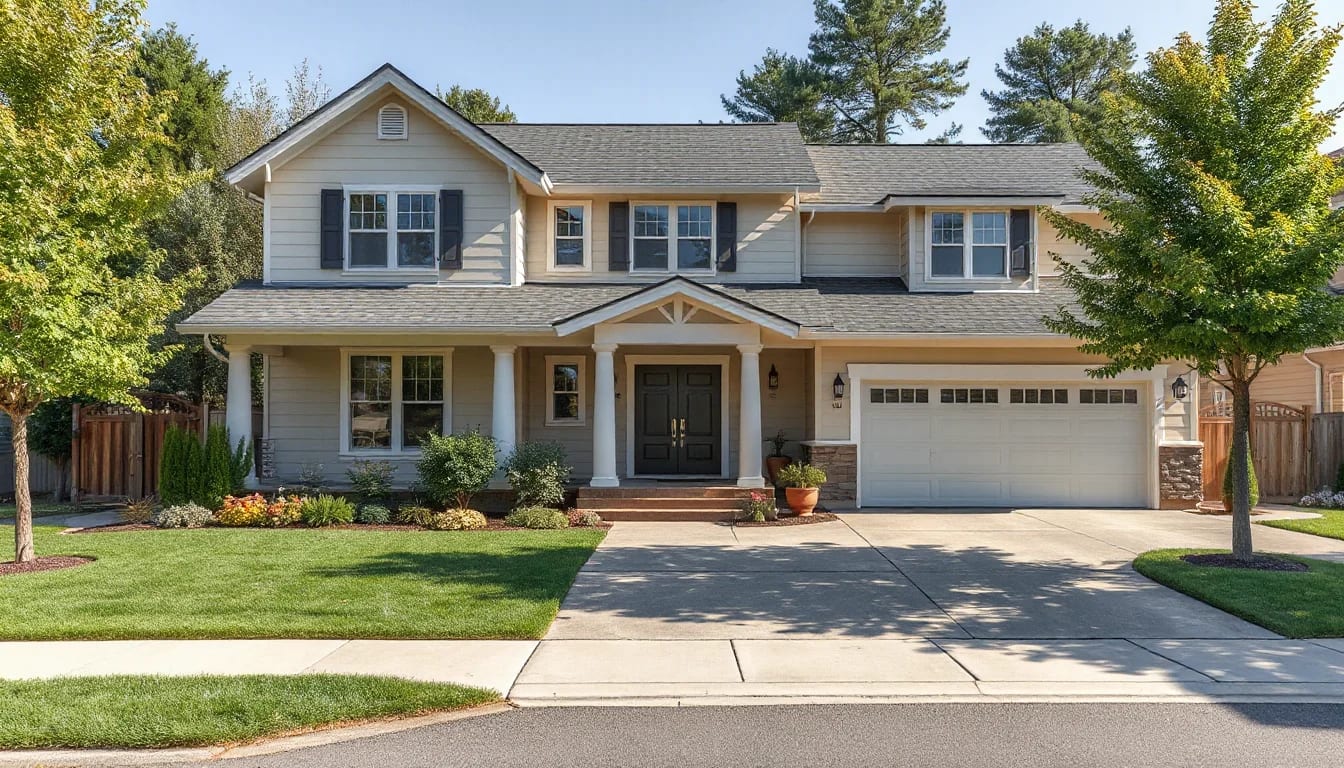
A promising cap rate can make a COMING SOON property look like an easy investment win, but the monthly cash flow tells the more practical story. Before making an offer, compare both calculations using conservative income, realistic expenses, and a financing plan that accounts for the costs that arrive after closing.
Two Numbers, Two Very Different Questions
Investment listings often highlight a cap rate because it offers a quick way to compare potential income-producing properties. It is useful, but it is not a shortcut around due diligence. A cap rate measures a property’s projected net operating income against its purchase price, while cash flow measures the money left after operating expenses and debt payments. Looking at both gives buyers a more complete view of how a property may perform.

Cap rate starts with net operating income, not rent alone. To calculate it, subtract operating expenses from gross rental income, then divide the result by the purchase price. Operating expenses can include property taxes, insurance, utilities paid by the owner, maintenance, property management, landscaping, common-area costs, vacancy allowance, and reserves for future repairs. Mortgage principal and interest are not included in a standard cap-rate calculation.
That distinction matters because a property can appear attractive based on projected rent while carrying expenses that substantially reduce the operating income. A listing’s stated figures are a starting point, not a final answer. Ask for current leases, rent rolls, utility bills, tax information, insurance costs, maintenance history, and details about any services included with tenancy. When a property is COMING SOON, gathering these documents early can help you evaluate the opportunity before the listing becomes widely available.
A higher cap rate is not automatically a better purchase. It may reflect higher operating costs, deferred maintenance, vacancy risk, or a location-specific factor that deserves a closer review.
Cash flow adds the financing picture. Begin with net operating income, then subtract the full monthly debt service and any recurring ownership costs not already included. The remaining amount is the property’s estimated pre-tax cash flow. This is the number that helps answer a practical question: after the mortgage and normal operating costs are paid, is there a reasonable monthly cushion?
Build a Conservative Income Estimate
Income projections are often where an otherwise careful analysis becomes overly optimistic. Rather than assuming every unit will be occupied at the maximum possible rent every month, use the documented current rent whenever possible. If a lease is ending soon or a unit is vacant, research comparable rentals and leave room for marketing time, tenant turnover, and make-ready work.
For a small multifamily property, even one vacant unit can change the cash-flow picture quickly. For a single rental home, one extended repair or turnover can have the same effect. A useful worksheet separates scheduled rent from effective rent, which is the income left after a vacancy allowance and realistic concessions. This approach does not make an investment less appealing; it makes the comparison more reliable.
- Use current lease amounts before relying on future rent projections.
- Include parking, storage, laundry, or other documented income separately.
- Set aside a vacancy allowance even when occupancy is currently strong.
- Confirm whether utilities are paid by the owner or separately metered.
- Review any local registration, inspection, or rental licensing requirements.
It also helps to separate cosmetic upgrades from income-producing improvements. Fresh paint or updated fixtures may support stronger presentation, but major systems, roof work, drainage corrections, electrical upgrades, and heating replacements can affect the budget far more than a projected rent increase. Requesting service records and inspecting visible conditions can help establish whether the first year’s cash flow needs a larger repair reserve.
Do Not Underestimate the Expense Side
Expense estimates should be specific enough to survive the first unexpected bill. Taxes can change after a sale or reassessment, insurance premiums can vary by coverage and property condition, and older properties may require more regular attention than a simple percentage-based estimate suggests. If management will be used, include the full management fee along with leasing or renewal charges. If you plan to self-manage, assigning a value to your own time can still make comparisons clearer.
Capital expenditures deserve their own line item. Routine maintenance might cover a small plumbing repair or seasonal servicing, while capital expenses cover larger, less frequent items such as a roof, windows, heating equipment, paving, or exterior work. These costs may not occur every year, but ignoring them can make a property look more profitable on paper than it is over time. A reserve fund creates room for those eventual expenses without forcing every decision to depend on a perfect month.
For example, a property priced at $500,000 with $45,000 in annual net operating income has a 9% cap rate. That sounds straightforward. But if the purchase requires financing and annual debt service is $33,000, the estimated pre-tax cash flow is $12,000 before considering any additional capital reserves. If a conservative reserve adds $5,000 per year, the remaining cushion is closer to $7,000. Neither calculation is wrong; they simply answer different questions.
Run the numbers three ways: a documented-current scenario, a conservative scenario with vacancy and reserves, and an improvement scenario. The conservative result is often the clearest guide to affordability.
Match the Analysis to Your Financing
Financing can transform the same property from a strong cash-flow candidate into a thin-margin purchase. Interest rate, down payment, loan term, points, mortgage insurance where applicable, and lender-required reserves all affect the real cost of ownership. Before finalizing an offer strategy, request payment estimates based on the actual loan structure you expect to use rather than a generic online assumption.
Cash-on-cash return can add another layer of perspective. This calculation compares annual pre-tax cash flow with the total cash invested, including down payment, closing costs, initial repairs, and reserves. It can be especially helpful when comparing two properties with different prices or financing structures. Still, it should be considered alongside location, property condition, lease quality, renovation scope, and your comfort with ongoing ownership responsibilities.
A COMING SOON property may offer valuable time to prepare documents, review available financial information, and refine your criteria before public marketing begins. That preparation is useful, but it should not replace inspections, title review, professional tax guidance, lender conversations, or a careful reading of the purchase agreement. The best investment decisions usually come from disciplined assumptions rather than urgency.
Use the Numbers to Ask Better Questions
Cap rate and cash flow are most useful when they guide the next conversation. If the cap rate is low, ask whether the property has unusually stable income, lower anticipated maintenance, or a price that leaves little room for improvement. If the cap rate is high, investigate why. If cash flow is narrow, consider whether a larger down payment, different loan terms, or a revised repair budget would create a more durable ownership plan.
There is no single “right” cap rate or cash-flow target for every buyer or property. The goal is to understand the assumptions behind the headline numbers, compare them consistently, and leave adequate room for ordinary operating surprises. With a complete analysis in hand, you can evaluate a COMING SOON opportunity with greater clarity and make decisions based on the property’s real potential—not just its most attractive metric.